What Dissolves Tree Roots In Sewer Lines (5 Best Solutions)
If your drains are slow, your toilets are gurgling, or you have dealt with repeated backups that no amount of snaking seems to fix permanently, what dissolves tree roots in sewer lines is probably a question you have already started asking. Tree root intrusion is one of the most common and damaging sewer problems homeowners face, and it tends to get worse quietly over time before it announces itself as a full emergency. This guide covers the five most effective solutions, what each one actually does, and when to stop treating the symptom and call a plumber instead. If you are already dealing with a backup, our drain and sewer services are a good place to start.
Here is what we will cover:
- Why tree roots target sewer lines in the first place
- The 5 best solutions for dissolving and removing tree roots
- How DIY methods compare to professional sewer cleaning
- When root treatment is not enough and repair is the answer
- Frequently asked questions about tree root intrusion
Why Tree Roots End Up in Your Sewer Line
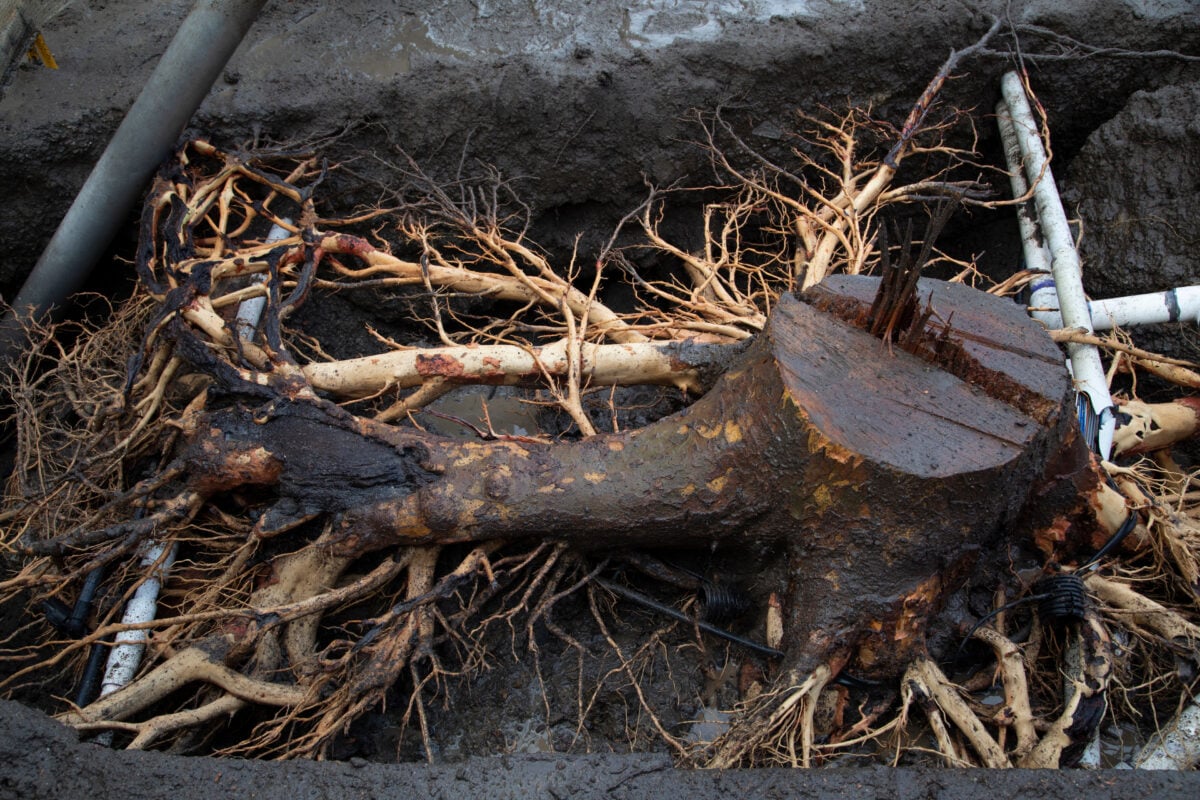
Tree roots are not targeting your pipes on purpose. They follow moisture and nutrients, and your sewer line happens to be one of the most reliable sources of both underground. Older pipes made of clay or cast iron are especially vulnerable because they develop small cracks and loose joints over time, and roots find those openings and grow inward.
Once inside, roots do not stay small. They expand, branch out, and eventually create a web that catches everything flowing through the pipe. Toilet paper, grease, and debris accumulate against the root mass until the line is partially or fully blocked. The EPA identifies tree roots entering through defects or openings in a sewer line as a recognized cause of blockages and sanitary sewer overflows, which is why catching the problem early makes such a difference. Homes with mature trees, older pipes, and sewer lines that have not been inspected in several years are the most at risk throughout the Seacoast NH region.
5 Solutions That Dissolve or Remove Tree Roots in Sewer Lines
Understanding what each solution actually does helps you make the right call for your situation. Some options are appropriate for minor intrusions you catch early. Others are only effective when handled by professional plumbers with the right equipment.
1. Foaming Root Killer
Foaming root killers are the most effective chemical option available to homeowners. Products containing dichlobenil or metam sodium are designed to foam on contact with water, expanding to coat the full interior circumference of the pipe rather than flowing through the center and missing the roots along the walls.
- How it works: The foam saturates root material inside the pipe, killing the roots and inhibiting regrowth over time.
- Best for: Minor to moderate root intrusions caught before they cause a full blockage.
- Limitations: Takes one to two weeks to show results and does not physically remove dead root material from the line. Follow-up cleaning is often needed.
- Application: Pour into the toilet nearest the main sewer line and flush. Avoid water use for several hours after application.
2. Copper Sulfate Crystals
Copper sulfate is one of the oldest root control methods available and works by poisoning the roots that come into contact with it, causing them to die back and break down over time.
- How it works: The crystals dissolve in water and travel through the line, killing roots on contact without harming the tree itself when used correctly.
- Best for: Preventive maintenance and minor root presence in the line.
- Limitations: Copper sulfate is restricted or prohibited for septic systems in some areas due to its impact on beneficial bacteria. Check local regulations before use.
- Application: Pour approximately half a cup into the toilet and flush several times. Let the drain sit for six hours before normal use.
3. Rock Salt
Rock salt is the most accessible and lowest-cost option, but also the least effective for anything beyond very minor root presence. It works by drawing moisture out of roots through osmosis, dehydrating and killing them over time.
- How it works: Salt creates a hostile environment for root tissue by pulling water out of the cells, causing the roots to die back gradually.
- Best for: Very early stage root presence or as a supplemental preventive treatment between professional cleanings.
- Limitations: Rock salt is significantly less potent than foaming root killers or copper sulfate. It can also corrode older metal pipes with repeated use and is not reliable for established root intrusions.
- Application: Pour two pounds into the toilet in half-pound increments, flushing between each. Avoid water use for at least 12 hours.
4. Hydro Jetting
Hydro jetting is the most effective method for physically removing tree roots and the debris they have trapped from a sewer line. Unlike chemical treatments that kill roots and leave the dead material in place, high-pressure water blasts through root masses and flushes everything out of the line completely.
- How it works: Professional plumbers use specialized equipment to send water through the line at pressures between 1,500 and 4,000 PSI, cutting through root intrusions and scouring the pipe walls clean.
- Best for: Moderate to severe root intrusions, recurring blockages, and lines that have not been cleaned in several years.
- Limitations: Requires professional equipment and a sewer camera inspection beforehand to confirm pipe condition. Not appropriate for severely damaged or collapsed pipes.
- Application: Performed by a licensed plumber following a video inspection to confirm the line can handle the pressure safely.
5. Mechanical Root Cutting
Mechanical root cutting uses a motorized auger or sewer snake fitted with a rotating blade to physically cut through root masses inside the pipe. It is often the fastest way to restore flow when a line is heavily blocked.
- How it works: A rotating cutting head chews through root material, breaking up the blockage and restoring flow through the pipe.
- Best for: Severe blockages where roots have grown thick enough to prevent normal flow.
- Limitations: Cutting removes the roots but leaves behind stubs that will regrow, often within weeks, unless followed by a chemical treatment or pipe repair. It is a first response, not a permanent fix on its own.
- Application: Performed by professional plumbers using commercial-grade equipment, typically followed by hydro jetting and a follow-up camera inspection.
DIY vs. Professional Root Removal: How They Compare
| Method | Who Performs It | Removes Roots Physically | Long-Term Results | Best For |
| Foaming root killer | DIY | No | Months | Minor intrusions |
| Copper sulfate | DIY | No | Months | Prevention, minor presence |
| Rock salt | DIY | No | Weeks | Very early stage only |
| Hydro jetting | Professional plumbers | Yes | 1 to 3 years | Moderate to severe blockages |
| Mechanical cutting | Professional plumbers | Yes | Short term without follow-up | Severe blockages |
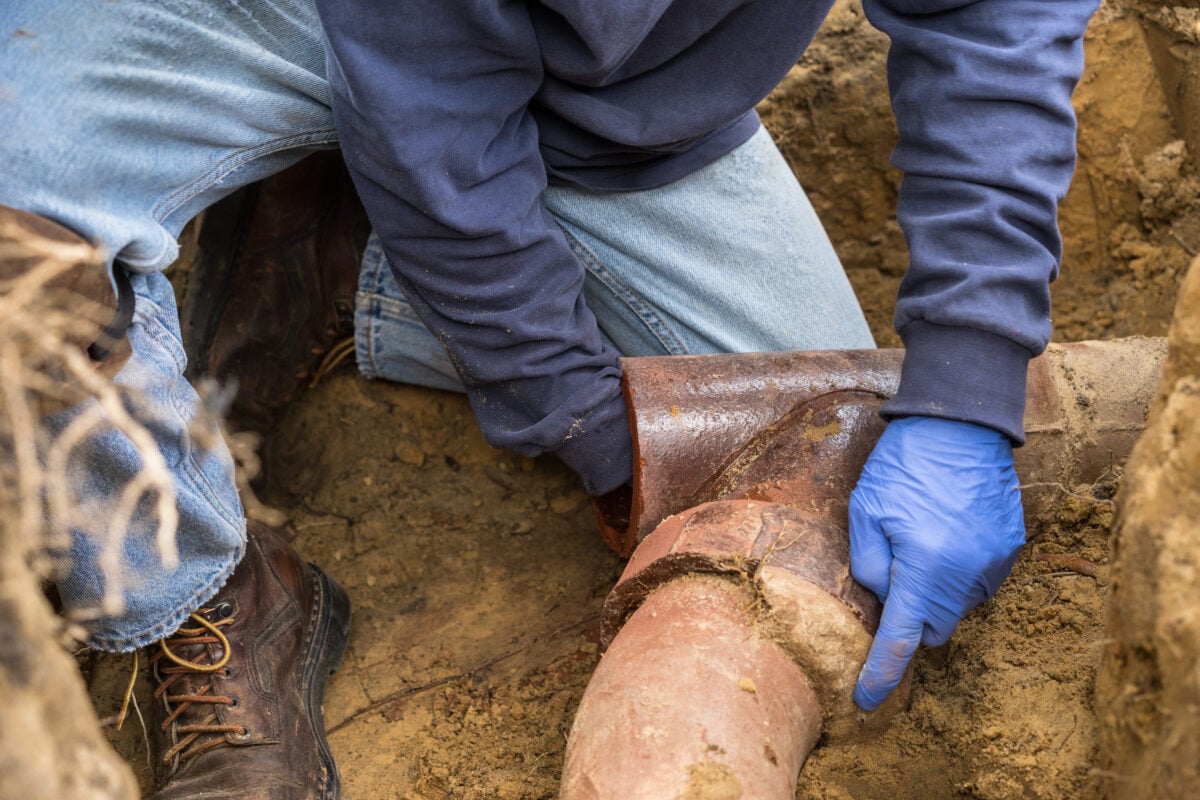
DIY chemical treatments are a reasonable starting point for minor root presence caught early. For anything beyond that, or for any home in Exeter, Portsmouth, or across Seacoast NH dealing with recurring backups, professional sewer line cleaning delivers results that store-bought products simply cannot match.
When Root Treatment Is No Longer Enough
Chemical and mechanical root removal both address the roots inside the pipe. Neither fixes the entry point that allowed roots in to begin with. If your sewer line has cracks, separated joints, or sections that have shifted or collapsed, roots will continue to find their way back no matter how well you treat the line.
Signs that you may be past the treatment stage and into repair territory:
- Roots returning within weeks of cleaning: Suggests the entry point is large and root regrowth is aggressive.
- Sewer camera reveals cracked or collapsed pipe sections: Damage that allows root intrusion usually requires sewer line repair or trenchless sewer repair to resolve permanently.
- Multiple fixtures backing up at once: A full sewer line obstruction or structural failure affecting the main line.
- Sinkholes or wet patches in the yard: Indicates sewage is escaping underground through a breach in the line.
- Recurring sewage odors throughout the home: Points to a break in the line allowing gases to escape into the living space.
We’re proud to serve home and business owners in Exeter, NH, and throughout the Seacoast NH and Southern Maine region with professional sewer drain cleaning, sewer line repair, and more.
Common FAQs About Tree Roots in Sewer Lines
Tree root intrusion raises a lot of questions for homeowners, especially when the problem keeps coming back despite repeated attempts to clear it. Here are the questions we hear most often, along with straightforward answers based on what we see in the field every day.
How long does it take for root killer to work?
Most chemical root killers take one to two weeks to fully kill roots inside the sewer line. Foaming products tend to work faster than copper sulfate because they coat the entire pipe interior rather than flowing through the center. Dead root material does not disappear on its own after treatment, so a follow-up snaking or hydro jetting service is usually needed to clear it out and restore full flow.
Can tree roots damage my sewer line permanently?
Yes. Roots that have been growing inside a sewer line for an extended period can crack pipe sections, separate joints, and in severe cases cause sections of the pipe to collapse. Clay and cast iron pipes common in older Seacoast NH homes are especially vulnerable. A sewer camera inspection is the only way to know whether the damage has progressed to the point where repair or replacement is needed rather than cleaning alone.
Will cutting down the tree fix the problem?
Not immediately. Tree roots can remain active and continue causing blockages for a period after the tree is removed because the root system does not die instantly. Removing the tree eliminates future root growth over time but does not address the roots already inside your sewer line or the entry points they created. A professional cleaning and inspection is still needed regardless of what happens above ground.
How do I know if I have tree roots in my sewer line?
The most common signs are slow drains throughout the house, gurgling sounds from toilets and drains, recurring clogs in the same line despite repeated snaking, and sewage odors coming up through drains. In later stages, multiple fixtures may back up simultaneously or you may notice wet or unusually green patches in your yard above the sewer line. A sewer camera inspection confirms root presence and shows exactly how far the intrusion has progressed.
How often should I treat my sewer line for roots?
For preventive maintenance, most experts recommend applying a chemical root treatment every six to twelve months if you have trees within 20 to 30 feet of your sewer line. For homes that have already experienced root intrusion, scheduling a professional hydro jetting service once a year is a more reliable maintenance approach. A plumber can assess your specific situation after a camera inspection and recommend the right interval for your line.
Kenco Plumbing and Drains: We Clear the Root of the Problem
Tree roots in a sewer line are not something that gets better on their own, and chemical treatments only go so far. At Kenco Plumbing and Drains, we use professional hydro jetting, mechanical root cutting, and sewer camera inspections to clear the line completely and tell you honestly whether a repair is needed to keep the problem from coming back. We are a family-owned team serving Portsmouth, Exeter, Dover, and the entire Seacoast NH and Southern Maine region, and we bring the same thorough approach to every sewer job regardless of size.
If you are dealing with slow drains, recurring backups, or you just want to know what is actually going on inside your sewer line, schedule your service today and let us take a look. We offer same-day and next-day availability and financing options for larger repairs.

What Is a Sewer Line Inspection?

What Is a Sewer Line Inspection?

What Is a Sewer Line Inspection?

What Is a Sewer Line Inspection?