Sewer Line Belly: Warning Signs, Causes, and Repair Options
If your drains keep clogging in the same way no matter how many times they get cleared, a sewer line belly could be the reason. It is one of the most overlooked sewer problems because it hides underground, looks like an ordinary clog from the inside of your house, and keeps coming back until the pipe itself is corrected. This guide explains what a belly is, how to spot the warning signs, what causes the pipe to sag, and which fixes actually work. If you want to understand how a sagging sewer pipe gets corrected, you will find the answers here.
Here is what we will cover:
- What a sewer line belly is and why it matters
- Six warning signs that point to a low spot in the pipe
- The most common causes of a sagging sewer line
- Repair options and which ones work best
- Frequently asked questions about sewer line bellies
What Is a Sewer Line Belly?
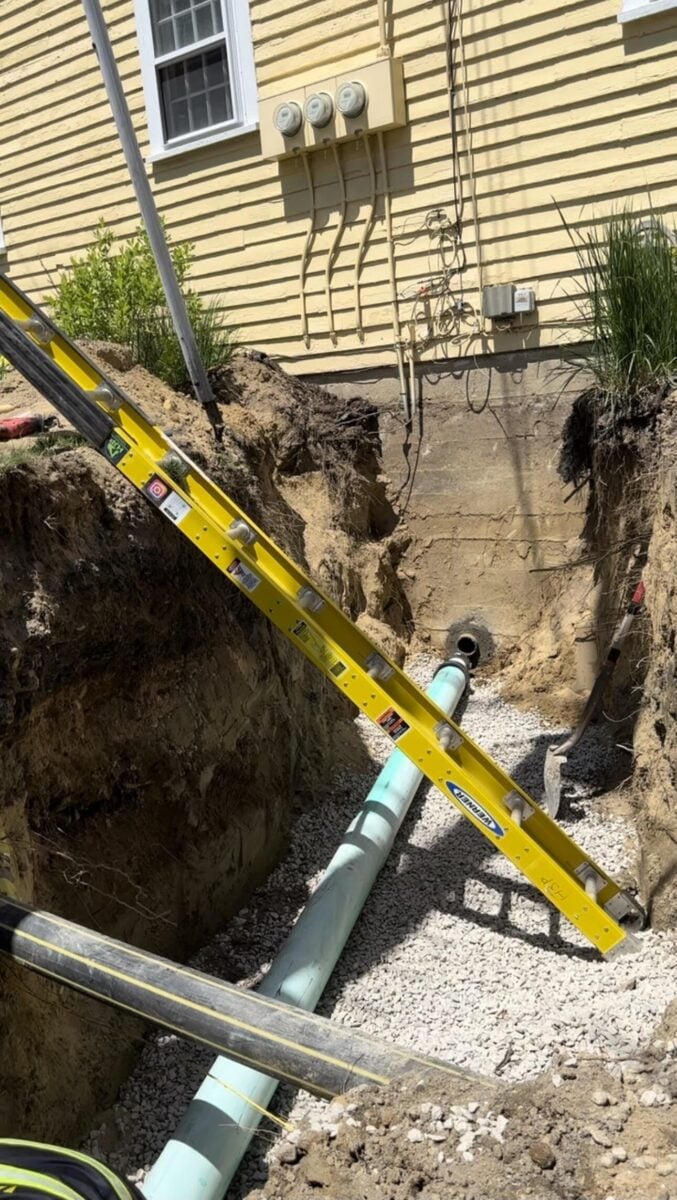
A sewer line belly, also called a sewer belly, is a section of underground pipe that has sunk below the slope on either side of it, creating a low spot. Because wastewater moves by gravity and not pressure, that dip holds standing water instead of letting everything drain away. Solids, grease, and paper then settle out in the pool, and the buildup grows until it blocks the line.
Slope is the whole game when it comes to a healthy sewer lateral. The model plumbing code makes the rule clear: horizontal drains between 3 and 6 inches in diameter must slope at least 1/8 inch per foot under the 2021 International Plumbing Code, a size range that covers most residential sewer laterals. A belly interrupts that steady fall, and even a modest sag can be enough to collect debris.
6 Warning Signs of a Sewer Line Belly
A belly rarely announces itself with one dramatic symptom. Instead, it shows up as a pattern of small problems that keep returning, so knowing what to look for can save you months of frustration.
1. Recurring Clogs After Cleaning
A normal clog stays cleared once it is removed. A bellied sewer line refills with debris, so the same problem comes back again and again, usually in the same part of the house.
- Same spot: Clogs return in the same drain or the same main line section after cleaning.
- Short relief: Drain cleaning solves the problem for a few weeks, then the symptoms return.
- Multiple fixtures: When several drains are affected, the low spot is often in the main sewer line.
2. Slow Drains Throughout the House
When water cannot clear the low spot quickly, everything upstream slows down. This is different from a single sluggish sink, which usually points to a local clog.
- Whole house impact: Tubs, sinks, and toilets all drain more slowly than they used to.
- Gradual change: Drains get worse over weeks or months as buildup narrows the pipe.
- Slow recovery: Water takes longer to clear after each use, even when nothing is clogged.
3. Gurgling Toilets and Drains
Standing water and slow moving flow can trap air in the line. That air looks for a way out, and it often bubbles up through nearby fixtures.
- Bubbling sounds: Toilets and drains gurgle when other fixtures are in use.
- Water level changes: The water in a toilet bowl may rise or fall when a sink or washer drains.
- Pattern over time: Gurgling that keeps returning after cleaning suggests a structural issue rather than a one time blockage.
4. Sewer Odors Inside or Outside the Home
Wastewater that sits in a low spot breaks down instead of flowing away, and the smell can find its way into your home or yard. Persistent odors are a common clue that something is holding water in the line.
- Drain odors: A sewer smell comes up through floor drains, sinks, or tubs.
- Outdoor smell: Odors near the foundation or along the path of the sewer lateral.
- Lingering smells: Odors that return even after drains have been cleaned.
5. Backups During Heavy Water Use
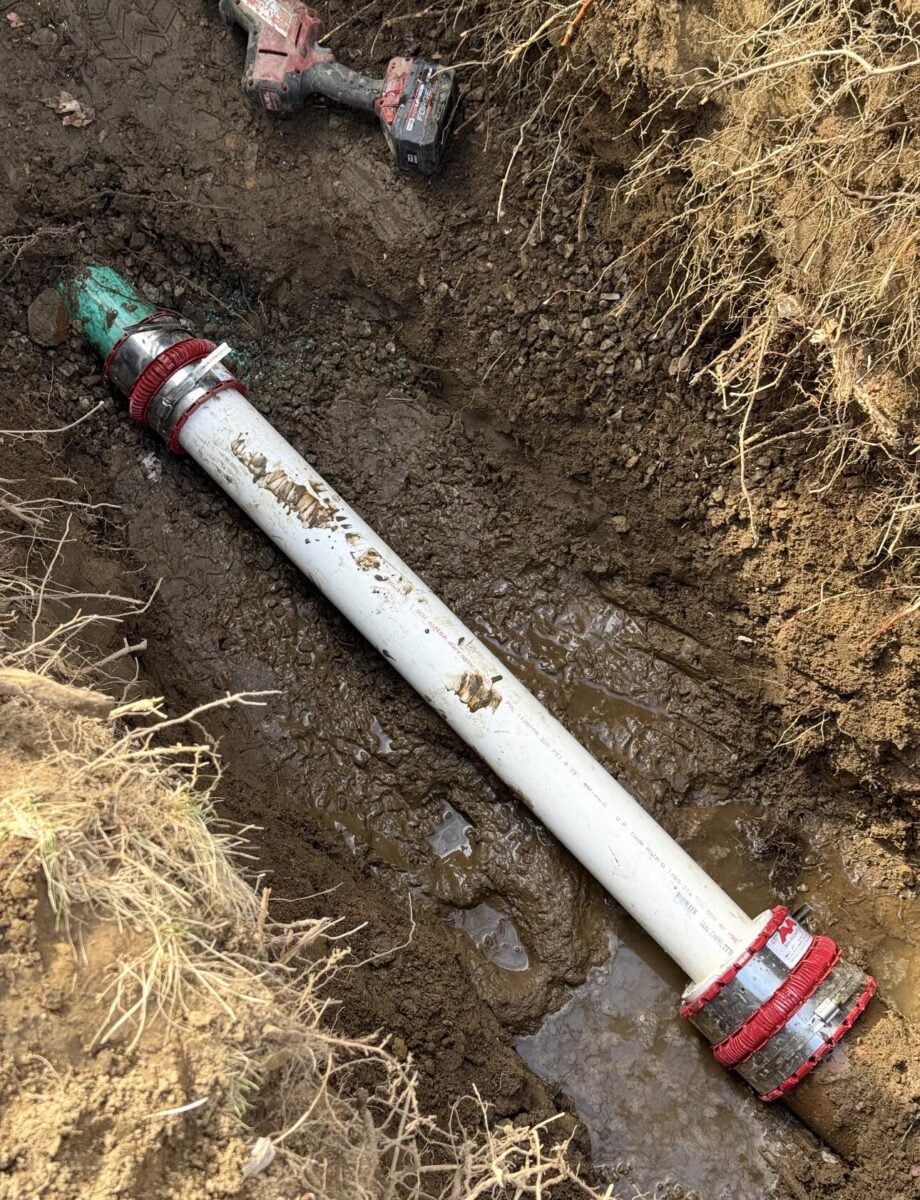
A belly can handle light use but struggle when a lot of water arrives at once. That is why many homeowners first notice a problem during laundry day, long showers, or when guests are staying.
- Laundry: Washing machine discharge can push water past the low spot and into the lowest fixtures.
- Basement drains: Floor drains and basement showers are often the first to back up.
- Timing pattern: Problems appear mostly when several fixtures are running together.
6. Wet or Sunken Areas in the Yard
If a stressed section of pipe leaks, it can wash soil away from around the line. Over time, that loss of support lets the ground settle and a sagging pipe sink even further.
- Soft spots: Areas of lawn that stay wet without rain or irrigation.
- Settling ground: A slight dip or depression along the path of the line.
- Unusually green grass: A strip of lush growth can indicate leaking wastewater below.
What Causes a Sewer Line Belly
A belly forms when the soil under a pipe stops supporting it evenly. Understanding the cause matters, because it affects which repair makes sense and whether the problem could return.
- Poor bedding at installation: Pipe laid on uneven or poorly compacted material can settle over time, even in newer homes.
- Soil settlement: Fill soil around a foundation compacts gradually, and the pipe can drop with it.
- Erosion from leaks or groundwater: Water moving beneath the pipe can carry away the supporting soil and leave a void.
- Tree roots: Roots can disturb the soil around a pipe, and when they are removed or die back they can leave a gap that lets the pipe sag.
- Freeze-thaw cycles: Repeated freezing and thawing in Kittery and across New Hampshire and Maine soils can shift the ground around buried pipe.
- Heavy surface loads: Driveways, vehicles, or equipment above a shallow line can press the pipe downward.
- Aging pipe material: Older materials like Orangeburg fiber pipe can deform on their own, and cast iron pipes can corrode and lose their shape, creating low spots without any soil movement.
Sewer Line Belly Repair Options
The right fix depends on how long the sag is, how deep the standing water gets, and what condition the pipe is in. A camera inspection gives you those answers, and it keeps you from paying for more work than your line actually needs.
| Repair Option | Best For | What to Know |
| Monitor and clean periodically | Short, shallow sags with little standing water | Hydro jetting clears debris but does not correct the slope, so buildup returns |
| Spot repair | A localized belly in an otherwise sound pipe | Dig down and relay that section at the correct grade, which costs less than full replacement |
| Sewer line replacement | Long or deep bellies, repeated backups, or deteriorating pipe | Restores proper slope along the whole run and removes the problem at the source |
| Trenchless lining | Pipe with cracks or roots but little sag | Lining follows the existing shape, so it usually does not fix a significant belly |
A belly is a pipe grade problem and not just a clog, which is why cleaning alone only buys time. If a low spot keeps collecting debris, correcting the slope is the only lasting solution.
We’re proud to serve home and business owners in Kittery, ME, and nearby communities with sewer line repair, replacement, and more.
How a Sewer Camera Inspection Confirms a Belly
You cannot diagnose a belly by guessing, and a single photo of a wet pipe can be misleading. A proper sewer camera inspection shows a bellied sewer pipe dipping into water and rising back out, which is the clearest sign of a true sag.
- Locates the low spot: A locator pinpoints exactly where the dip is and how deep the line sits there.
- Measures the sag: Footage shows how long the low section is and how much water it holds.
- Checks pipe condition: The camera reveals cracks, roots, or deterioration inside the sag.
- Guides the repair: The findings tell you whether a spot repair or full replacement makes sense.
Common FAQs About Sewer Line Belly
A sewer line belly raises a lot of questions because it looks like a clog but behaves differently. Here are the ones homeowners ask us most often.
Can a sewer line belly fix itself?
No. A belly is a physical change in the grade of the pipe, so it will not correct itself. In many cases the soil continues to settle, and the sag can get deeper and cause more frequent backups.
Can drain cleaning or hydro jetting fix a belly?
Cleaning removes the debris sitting in the low spot, which restores flow for a while. It does not change the pipe’s slope, so solids settle in the same place again. Regular hydro jetting can keep a minor belly manageable, but a significant one needs a repair.
How serious is a sewer line belly?
It depends on the length of the sag and how much water it holds. A short, shallow belly with no clog history may only need monitoring, while a long or deep one can cause repeated backups and add stress to the pipe over time.
Will trenchless lining fix a belly?
Usually not for a significant sag. Pipe lining follows the shape of the existing pipe, so the low spot remains and water still collects there. Your plumber can tell you whether lining makes sense after reviewing the camera footage.
How do I know if I need a spot repair or a full replacement?
The answer comes from the camera inspection. A localized belly in an otherwise healthy pipe is often a good candidate for a spot repair, while a long sag, repeated backups, or cracked and deteriorating pipe usually points toward replacement.
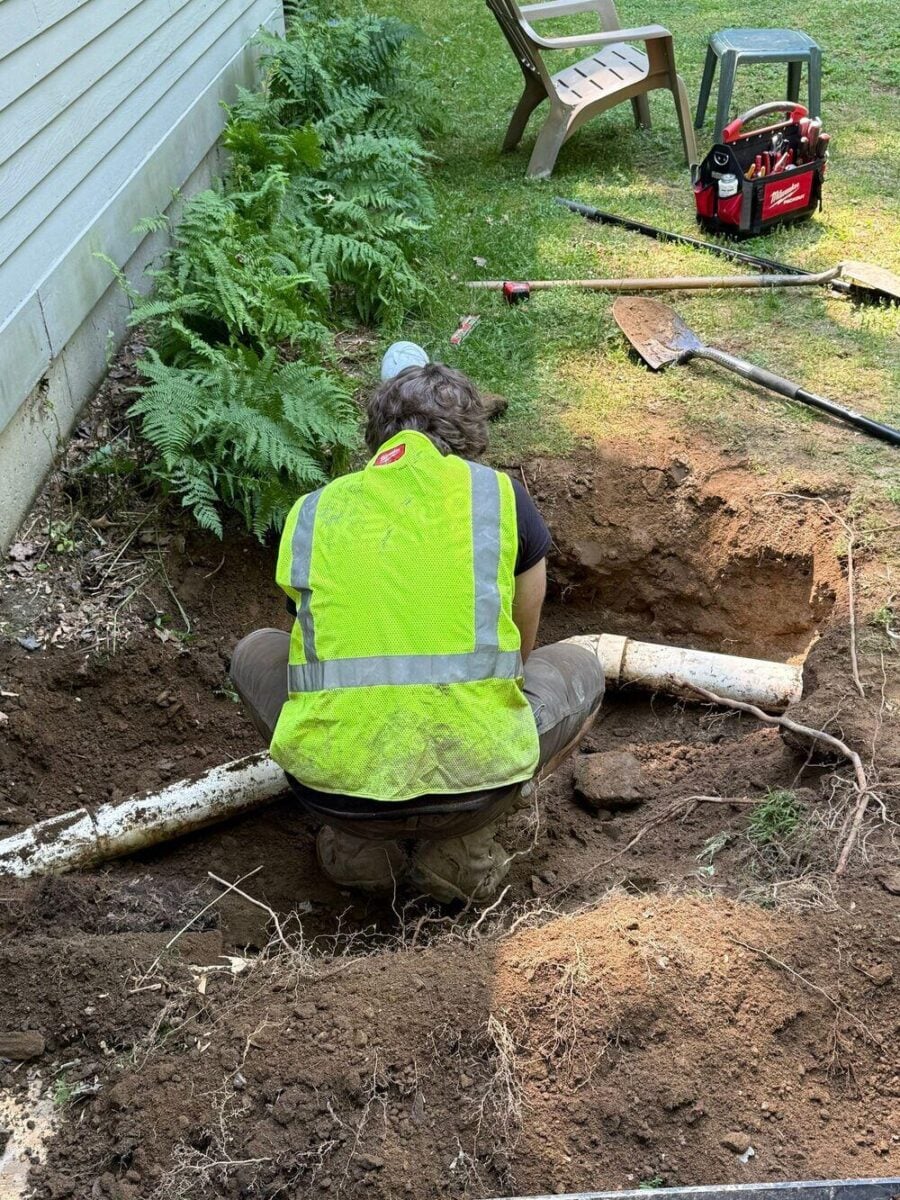
Kenco Plumbing and Drains: Level Ground for Your Sewer Line
A belly in your sewer line is not something you should have to live with, and it is not something that cleaning will cure. At Kenco Plumbing and Drains, we use a sewer camera inspection to find the low spot, explain what it means, and lay out clear options before any work begins. We are a family-owned team serving Kittery, Portsmouth, Dover, and the entire Seacoast NH and Southern Maine region, and we back our work with a one-year workmanship warranty.
If your drains keep clogging in the same spot, find out if a low spot is the culprit and request a free estimate. We offer same-day and next-day availability and financing options for larger repairs.