7 Signs It’s Time for Drain and Sewer Cleaning Services
Most homeowners don’t think about their drains until something goes wrong, and by then, a small inconvenience has often turned into a much bigger problem. The truth is, your home’s plumbing is quietly working around the clock, and knowing when to call for professional drain cleaning and sewer line services can save you from costly repairs, major backups, and real headaches down the road. Whether you’ve noticed a slow drain, a gurgling toilet, or something harder to name, our drain cleaning and sewer services exist for exactly these situations. This guide walks you through what to watch for and why regular maintenance matters.
Here’s what we’ll cover:
- The most common warning signs your drains need professional attention
- What causes blocked drains and sewer backups in the first place
- How drain issues can escalate into sewer line repair or replacement
- What professional hydro jetting, drain snaking, and sewer line cleaning involves
- Frequently asked questions homeowners ask about this service
What’s Actually Going On Inside Your Pipes
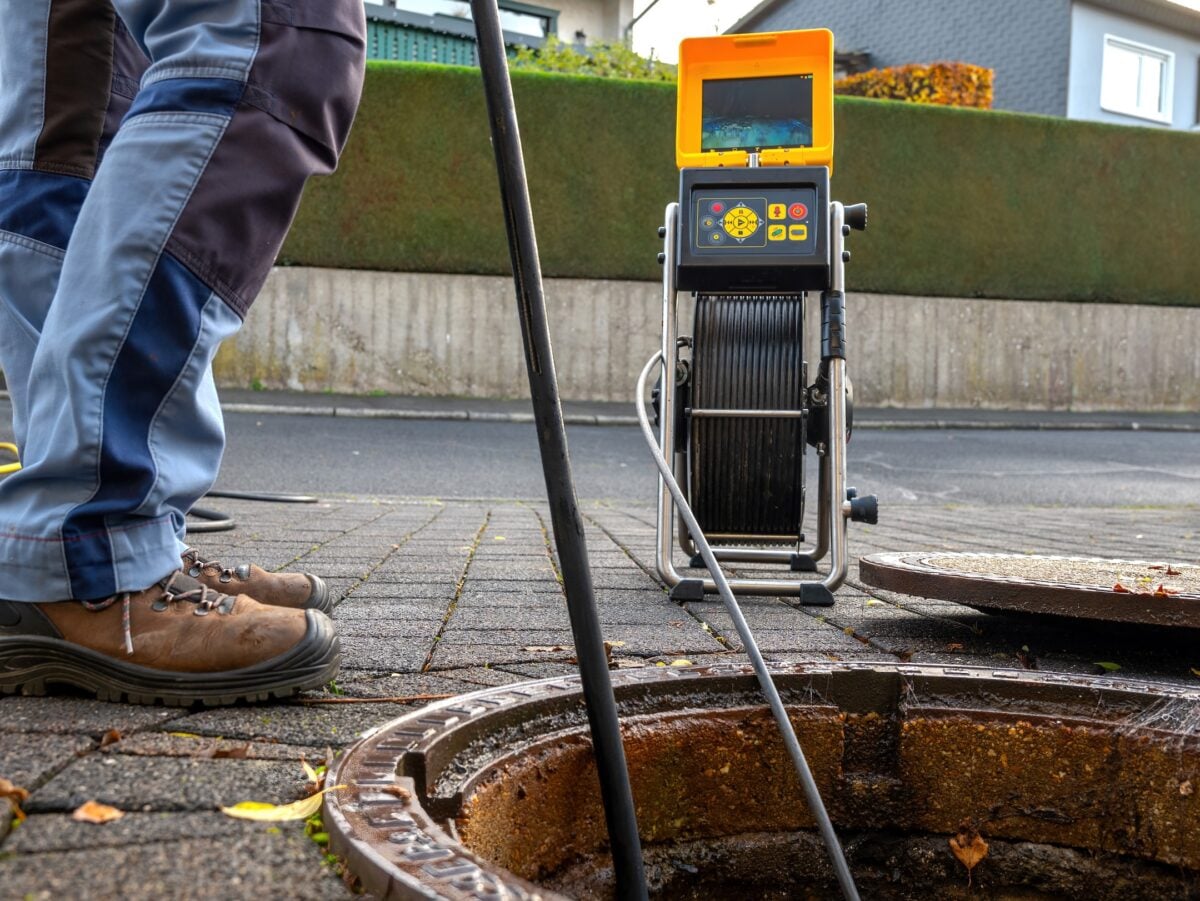
Your home’s drain and sewer system handles a surprising amount of waste every single day. Hair, grease, soap scum, food particles, toilet paper, and minerals from hard water all accumulate inside your pipes over time. Most homeowners don’t realize buildup is happening until a clogged drain or sewer backup forces the issue. The longer those signals get ignored, the more complicated the fix tends to become.
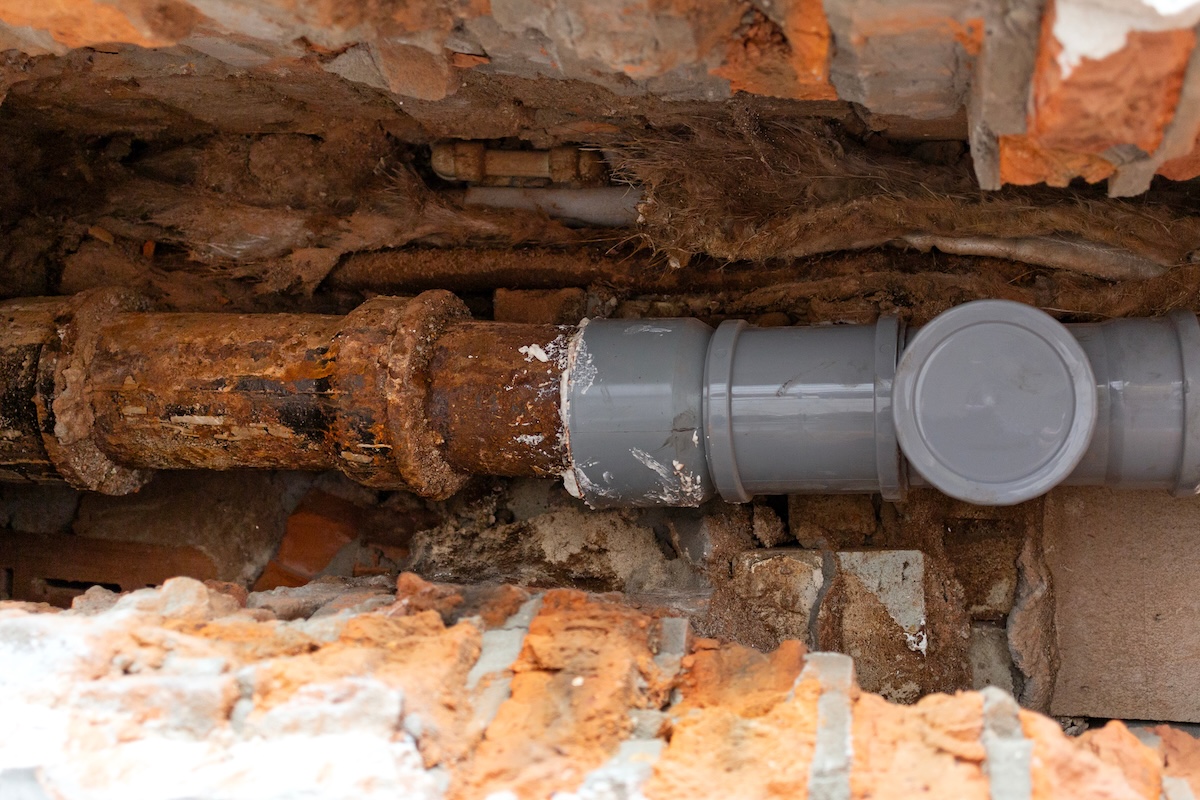
Understanding what causes drain problems helps you catch them early and avoid the need for urgent drain cleaning services down the road. In older homes like many found throughout the Seacoast NH region, cast iron and clay pipes are still common, and those materials are especially vulnerable to root intrusion, corrosion, and buildup compared to modern PVC piping.
7 Signs It’s Time to Call a Plumber for Drain and Sewer Cleaning
Your home will usually tell you when something’s wrong. Here are the warning signs that deserve a call to a professional.
1. Slow Drains Throughout the House
If one drain is slow, you might have a localized clog. But when multiple drains throughout your home (the kitchen sink, bathroom sink, and tub) are all draining slowly at the same time, the problem is likely a main line clog further down in your sewer system. A single slow drain is annoying; multiple slow drains are a red flag worth taking seriously right away.
2. Gurgling Sounds from Drains or Toilets
That bubbling or gurgling noise coming from your toilet when you run the sink is not a coincidence. It means air is being trapped somewhere in your drain system, which happens when a blockage is forming inside your home’s plumbing systems. These sounds are your pipes communicating a pressure imbalance, and they often appear before a full backup occurs.
3. Foul Odors Coming Up from Drains
A healthy drain shouldn’t smell like anything. If you’re noticing sewer odor coming up through your bathroom or kitchen drains, waste and debris are either stuck and decomposing inside the pipe, or there’s a break in the line allowing gases to escape. Either situation warrants a professional drain inspection.
4. Water Backing Up in Multiple Fixtures
When you flush the toilet and water backs up into the tub, or running the washing machine causes water to come up through the floor drain, your main sewer line is struggling to move waste out. This is one of the clearest signs of a serious obstruction and should be addressed immediately to avoid sewage entering your living space.
5. Unusually Lush or Wet Patches in Your Yard
If you notice a section of your lawn that’s greener, mushier, or wetter than the rest without any recent rainfall, your sewer line may be leaking underground. Sewage acts as a fertilizer, which is why affected grass often looks suspiciously healthy. This is especially common in Portsmouth, Dover, and other coastal New Hampshire communities where older infrastructure is prevalent.
6. Frequent Toilet Clogs
The occasional clog happens. But if your toilet seems to back up every few weeks despite normal use, the problem isn’t your toilet. It’s likely a partial blockage building up in the line below it. Recurring clogs are a pattern worth investigating rather than continuing to plunge through.
7. Visible Sewage or Wastewater Backup
This one needs no interpretation. If raw sewage is backing up into your tub, floor drains, or anywhere in your home, you need emergency drain repair right away. The U.S. Environmental Protection Agency notes that sanitary sewer overflows can back up into homes, causing property damage and threatening public health. Do not wait on this. Call a plumber immediately.
Common Culprits Behind Drain and Sewer Problems
Knowing what causes these issues helps you prevent them. Most blocked drain and sewer pipe repair situations trace back to one or more of the following:
- Grease and food buildup: Fats and oils poured down the kitchen drain solidify inside the pipe and trap other debris over time.
- Hair and soap scum: Bathroom drains accumulate hair and soap residue that bind together into sticky clogs.
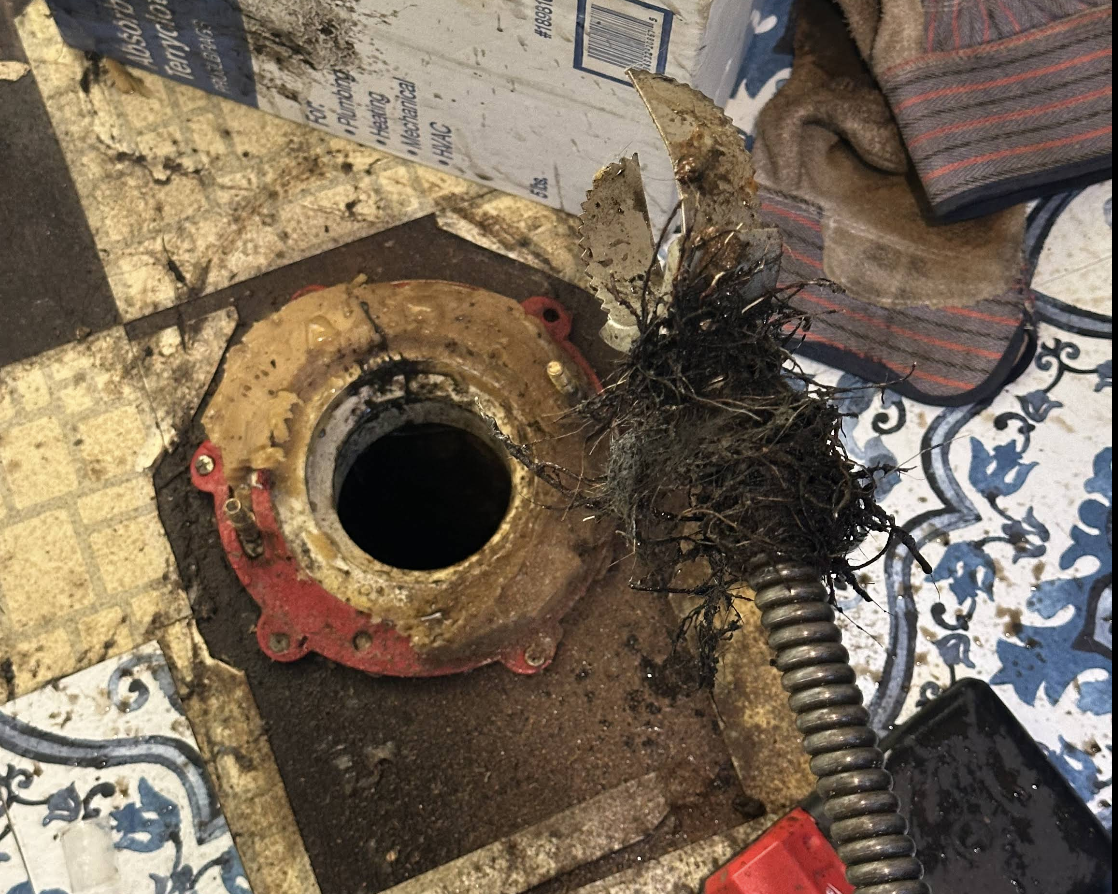
- Tree root intrusion: Roots naturally seek out moisture and can grow into older clay or cast iron sewer lines, causing cracks and blockages.
- Flushed wipes and hygiene products: Even products labeled “flushable” don’t break down like toilet paper and cause serious obstructions.
- Aging pipes: Older pipes corrode, shift, and collapse over time, restricting flow and trapping debris.
- Hard water mineral deposits: Scale buildup from hard water narrows pipe diameter, reducing flow and creating surfaces where other debris clings.
Drain Cleaning vs. Sewer Cleaning: What’s the Difference?
These two services address different parts of your home’s pipes and drain lines, and it’s worth knowing which one you likely need before calling.
| Service | What It Addresses | Common Methods | When You Need It |
| Drain Cleaning | Individual fixture drains (sinks, tubs, toilets) | Snaking, hand auger | Slow single drain, localized clog |
| Sewer Line Cleaning | Main line from home to municipal connection | Hydro jetting, sewer snake | Multiple slow drains, backups, gurgling |
| Sewer Inspection | Visual assessment of line condition | Camera inspection | Before buying a home, recurring issues |
| Hydro Jetting | High-pressure water to clear stubborn buildup | Pressurized water jet | Grease buildup, root intrusion residue |
In many cases, what starts as a drain snaking appointment turns into a sewer camera inspection once the footage reveals what’s actually happening inside the pipe. That’s why working with a plumber who has the right diagnostic tools matters from the start.
We’re proud to serve home and business owners in Portsmouth, NH, and nearby communities throughout the Seacoast region with expert sewer line cleaning, drain snaking, and hydro jetting services and more.
What Professional Drain and Sewer Cleaning Looks Like
When you call a qualified plumber, the process is much more involved than a bottle of store-bought drain cleaner. Professional sewer and drain cleaning typically starts with a thorough assessment, and if recurring problems are involved, that often means running a camera down the line to see exactly what’s there.
From there, the right method gets applied based on what’s found:
- Snaking: A flexible cable with an auger head is fed into the line to break up or retrieve the clog. Effective for straightforward blockages.
- Hydro jetting: High-pressure water is blasted through the pipe to scour buildup from the walls. This is ideal for grease-heavy drains or lines with root residue after cutting.
- Sewer camera inspection: A small camera is run through the line to identify the exact location and cause of the problem, whether it’s a clog, crack, root intrusion, or collapse.
- Sewer line repair or replacement: When a camera reveals cracks, root intrusion, or collapsed sections, cleaning alone won’t solve the problem. Depending on the damage, trenchless sewer repair may be an option, which can restore the line with minimal digging and disruption to your yard.
At Kenco Plumbing and Drains, our sewer line and drain cleaning services are built around finding the real cause of the problem, not just clearing the symptom. We show up, diagnose honestly, and give you clear options, because you deserve a forever fix, not a band-aid.
Common FAQs About Sewer Line Repair and Drain Cleaning
Homeowners have a lot of questions when it comes to sewer line health and drain maintenance. Here are the ones we hear most often, along with straightforward answers.
How often should I have my drains professionally cleaned?
For most households, having your drains professionally cleaned once a year is a good baseline for preventive maintenance. Homes with older pipes, mature trees nearby, or higher daily usage, such as large families, may benefit from cleaning every six months. The honest answer is that every home is different, and a camera inspection is the best way to determine what your specific system actually needs rather than guessing based on a calendar.
Can I use store-bought drain cleaners instead of calling a plumber?
Chemical drain cleaners can temporarily clear clogs, but they come with real downsides. They’re corrosive, which means repeated use can damage older pipes. They also do nothing to address the root cause of a clog and can leave behind enough residue to make professional cleaning more complicated. For recurring or serious drain issues, a professional snaking or hydro jetting service is a far more effective and safer long-term solution.
What’s the difference between a clog and a sewer line problem?
A clog typically affects one fixture and responds to snaking. A sewer line problem involves multiple fixtures draining slowly or backing up at the same time, strange gurgling sounds, or sewage odors throughout the house. The sewer line is the main pipe carrying all waste from your home to the municipal connection, so when it’s compromised, slow drains, sewage odors, and backups show up across the entire house. A camera inspection is the definitive way to tell the difference.
How do I know if tree roots are in my sewer line?
Tree root intrusion is one of the sneakier sewer problems because it develops slowly. Warning signs include recurring clogs in the same line, slow drainage that keeps coming back after cleaning, gurgling toilets, and in later stages, sinkholes or wet patches forming in your yard. Older homes with mature trees are most at risk. A sewer camera inspection will reveal whether roots are present and how extensive the intrusion has become.
Does homeowner’s insurance cover sewer line damage?
Standard homeowner’s insurance policies typically do not cover sewer drain damage or backups unless you have a specific sewer backup rider added to your policy. This is one of the reasons proactive maintenance matters so much. Catching a developing problem before it becomes a catastrophic failure is far less expensive than dealing with a backup, property damage, and a repair bill all at once without coverage.
Kenco Plumbing and Drains: Real Solutions, Not Shortcuts
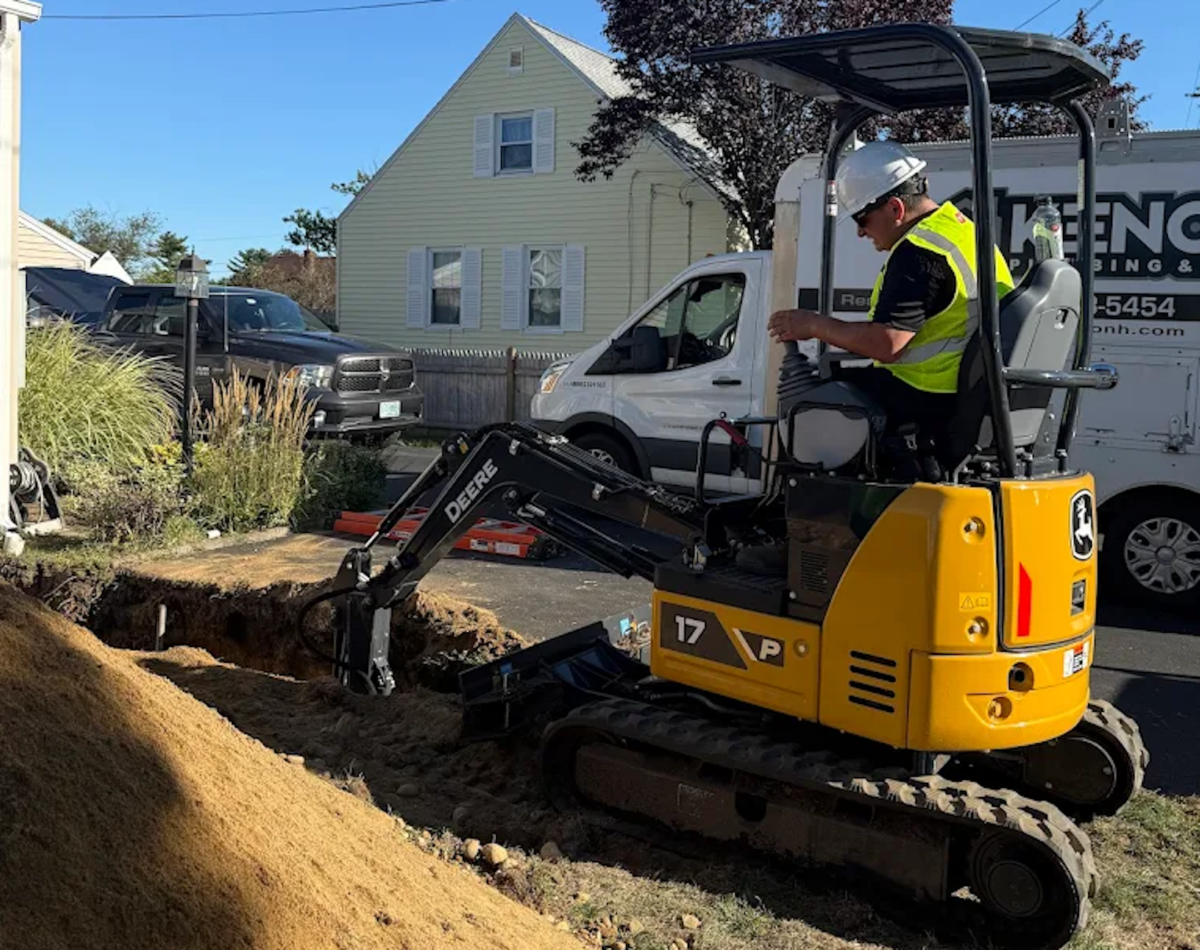
When something’s wrong with your drains or sewer, you want someone who shows up prepared, diagnoses the real problem, and gives you options you can actually trust. At Kenco Plumbing and Drains, that’s exactly how we operate. We’re a family-owned business serving the Seacoast NH and Southern Maine region, and we take real pride in delivering the kind of work that holds up over time. From clogged drain repair to full sewer line replacement, we bring the right tools, the right experience, and straight answers to every job.
If you’re seeing any of the warning signs covered in this blog, don’t wait for a small issue to turn into a major one. Schedule your service today to request a free estimate. We offer same-day and next-day availability and financing options for larger projects.