How Does A Sewer System Work (6 Simple Facts Breakdown)
Most homeowners use their plumbing every day without ever thinking about what happens after the water disappears down the drain. Understanding how does a sewer system work is not just a curiosity question — it is genuinely useful when you are trying to understand a repair estimate, figure out why your drains are slow, or make sense of what a plumber is telling you. This guide breaks down the six most important facts about how a residential sewer system works, from the pipes inside your home to the treatment plant miles away. If something in your sewer line is not working the way it should, learning what causes sewer line problems is a solid first step.
Here is what we will cover:
- The main components of a residential sewer system
- How wastewater actually moves through the system
- The role of venting, traps, and gravity
- How the municipal sewer network connects to your home
- What happens at the wastewater treatment plant
- Frequently asked questions about how sewer systems work
The Main Parts of a Residential Sewer System
Before breaking down how the system works, it helps to know what it is made of. A residential sewer system is not one single pipe — it is a network of sewer pipes and sewer infrastructure inside and outside your home that all work together to move wastewater safely away from your living space.
- Drain lines: Individual pipes connected to each fixture in your home — sinks, toilets, showers, tubs, dishwashers, and washing machines. Each one carries wastewater away from the fixture and toward the main drain.
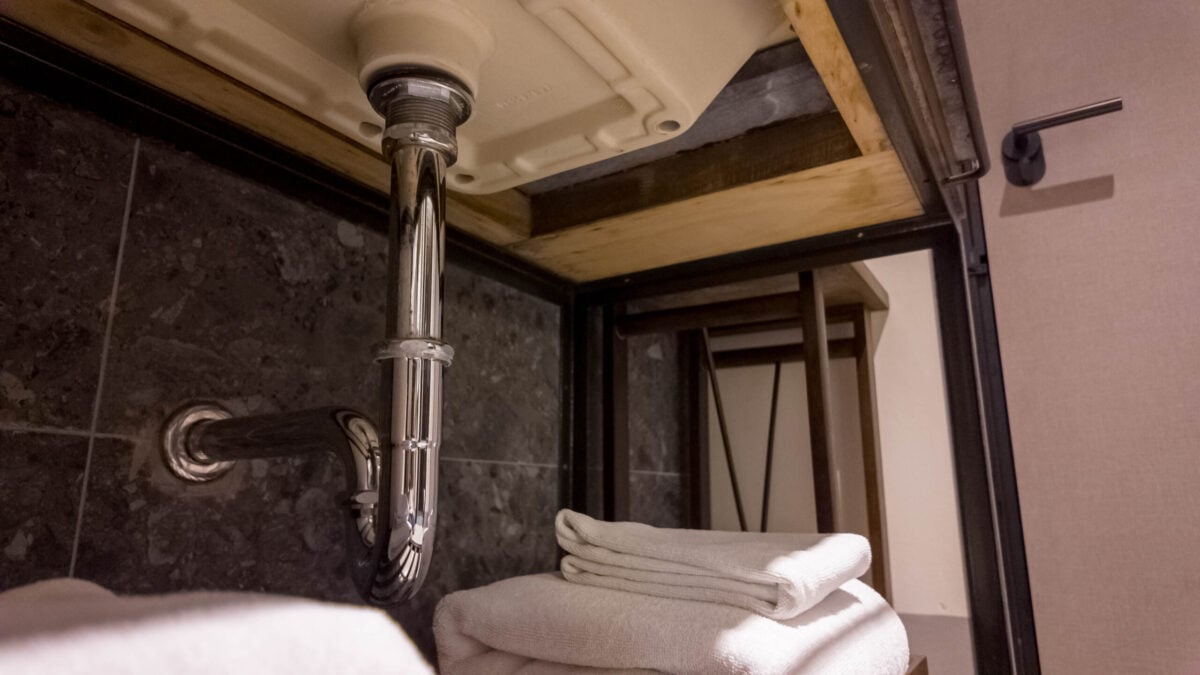
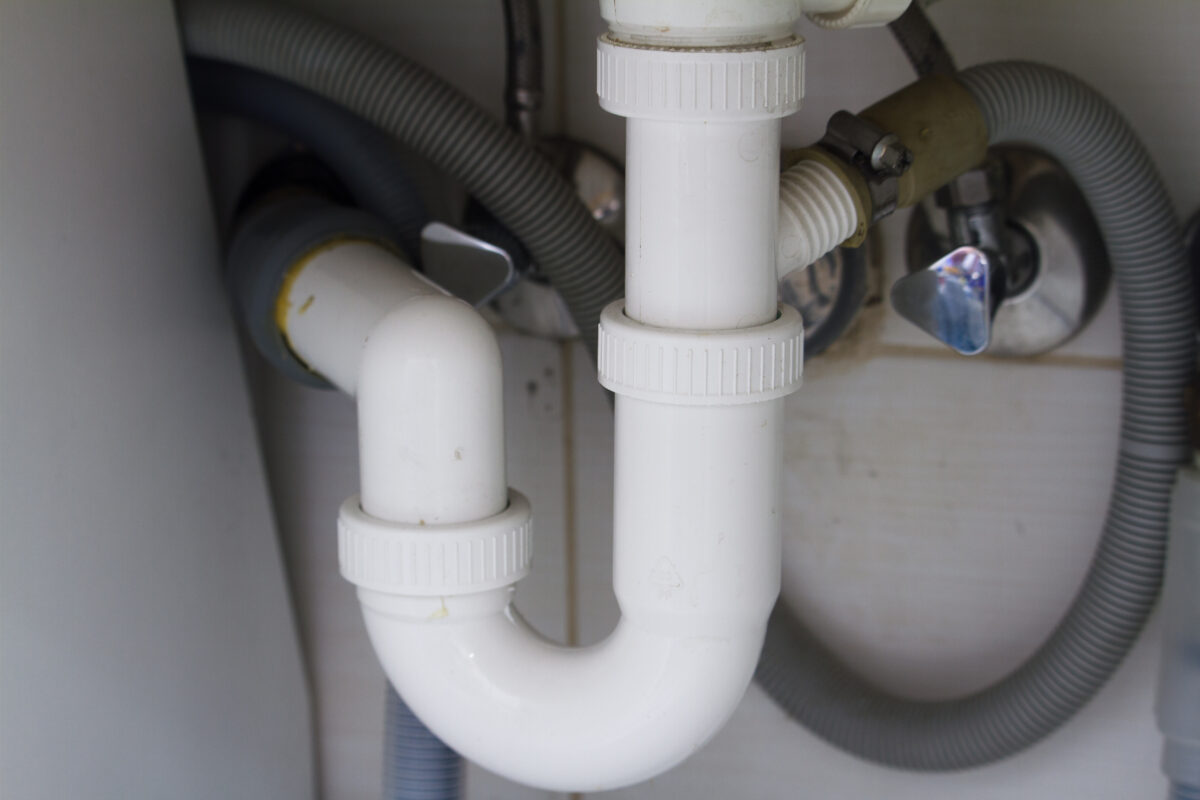
- P-traps: The curved section of pipe beneath every drain fixture. The curve holds a small amount of water at all times, creating a seal that blocks sewer gas from traveling back up through the drain and into your home.
- Drain-waste-vent system: The full network of drain pipes and vent pipes that works together inside your home. Drain pipes carry wastewater out; vent pipes allow air in so water can flow freely and sewer gases can escape safely through the roof.
- Main cleanout: An access point, usually near the foundation or outside the home, where a plumber can insert a camera or cleaning equipment directly into the main sewer line.
- Sewer lateral: The underground pipe that runs from your home to the municipal sewer main under the street. This is the pipe most homeowners are referring to when they talk about their sewer line, and it is the homeowner’s responsibility to maintain and repair.
- Municipal sewer main: The larger pipe under the street that collects wastewater from every home and business on the block and carries it toward the wastewater treatment plant.
6 Simple Facts About How a Sewer System Works
Now that the components are clear, here is how the system actually functions from the moment water leaves a fixture to the moment it reaches the treatment plant.
1. Gravity Does Most of the Work
In most residential sewer systems, there are no pumps involved. The entire system is designed to flow downhill from your fixtures all the way to the treatment plant.
- Required slope: Residential drain pipes need approximately one quarter inch of drop per foot of horizontal run to move water and solids together effectively.
- Too little slope: Solids settle inside the pipe and accumulate into blockages over time.
- Too much slope: Water races ahead of solids and leaves them stranded in the line.
- Pump stations: Used in the municipal network where terrain prevents gravity flow, pushing wastewater uphill or over obstacles to transport wastewater and human waste all the way to the treatment facility.
2. Every Drain Has a Trap to Block Sewer Gas
Every fixture in your home has a trap built into or beneath it — toilets have theirs built into the porcelain, while sinks, showers, and floor drains use a P-trap in the pipe below.
- How it works: The curved section of the trap holds standing water at all times, creating a seal that blocks sewer gas from rising into your home.
- Dry traps: When a drain goes unused for an extended period, that water can evaporate and allow sewer odors into the room.
- The fix: Running the water for a few seconds refills the trap and restores the seal immediately.
3. Vent Pipes Keep the System Flowing
Air is just as important as slope for keeping drains flowing. Without air entering the system, draining water creates a vacuum that slows flow and triggers the gurgling sounds homeowners notice before a backup develops.
- What vent pipes do: They run from drain lines up through the walls and out through the roof, letting air in so water moves freely and letting sewer gas out safely.
- Blocked vents: A clogged vent from a bird nest, debris, or winter ice can cause slow drains and gurgling throughout the entire house even when the drain lines are clear.
- Common symptom: Gurgling from multiple fixtures at once often points to a venting issue rather than a clog.
4. Your Sewer Lateral Connects You to the Municipal System
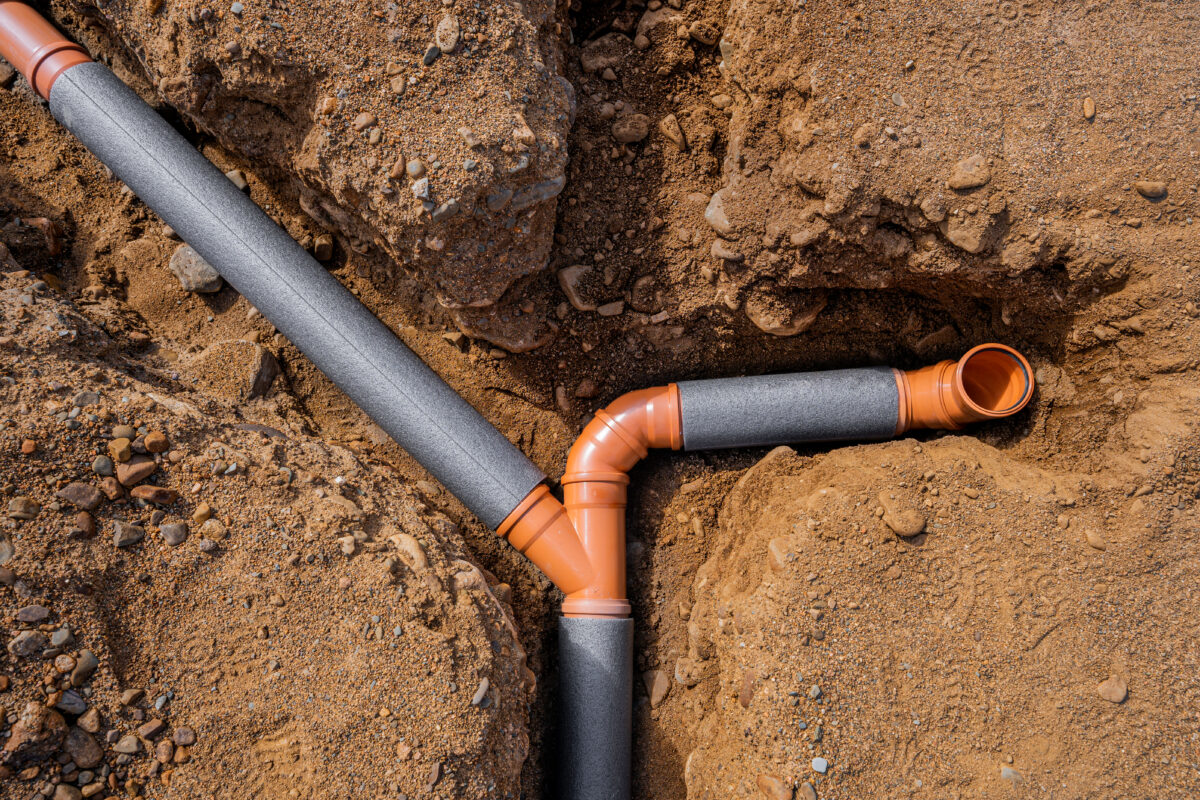
The sewer lateral is the underground pipe running from your foundation to the municipal sewer main under the street, typically buried four to six feet deep in the Seacoast NH region to stay below the frost line.
- Who owns it: The lateral is entirely the homeowner’s responsibility. The municipality owns the main line; you own everything from your foundation to the connection point.
- Common problems: Tree root intrusion, ground settling, pipe corrosion, and joint failures are the leading causes of lateral issues.
- What to do: All lateral problems require a licensed plumber with camera inspection equipment to diagnose and repair correctly.
5. The Municipal Sewer Network Is Larger Than Most People Realize
Once wastewater leaves your sewer lateral, it enters a network of progressively larger pipes collecting flow from every home and business in the area.
- Pipe sizing: The main under your street might be 6 to 12 inches in diameter. As more laterals feed in, collector mains grow to several feet across.
- Separate vs. combined systems: According to the EPA, most U.S. communities today use separate sanitary sewer systems, with one sanitary sewer pipe network for wastewater and a completely separate set for stormwater. Older communities using combined sewer systems share both in one pipe, which can cause untreated sewage to overflow into waterways during heavy rain events.
- Pump stations: Placed throughout the network wherever terrain prevents gravity flow, pushing wastewater uphill to keep it moving toward the treatment plant.
6. Wastewater Gets Treated Before It Returns to the Environment
The wastewater treatment facility is the final destination for everything that leaves your home through the sewer system. Treatment happens in stages, each removing a different layer of contaminants, and the entire process is a cornerstone of sustainable water management practices that protect public health and local waterways.
- Primary treatment: Physical screens and settling tanks remove large solids and floating material.
- Secondary treatment: Biological processes introduce bacteria that consume dissolved organic matter remaining after primary treatment.
- Tertiary treatment: Advanced chemical and filtration steps used in modern facilities to remove remaining nutrients and pathogens before final discharge.
- Biosolids: The solid material removed during treatment is processed separately and often repurposed as regulated agricultural fertilizer.
We’re proud to serve home and business owners in Somersworth, NH, and throughout the Seacoast NH and Southern Maine region with professional sewer line cleaning, drain services, and more.
What This Means for Homeowners
Understanding how your sewer system works puts you in a better position when something goes wrong. Most problems homeowners experience — slow drains, gurgling sounds, sewer odors, and backups — trace back to one of the components described above. Knowing which part is likely involved helps you describe the problem accurately to a plumber and understand the repair being proposed.
A few takeaways worth remembering:
- Slow drains often point to a partial blockage in the drain line, the sewer lateral, or a venting issue.
- Gurgling sounds from multiple fixtures at once suggest a problem in the main sewer line or a blocked vent pipe.
- Sewer odors coming up through drains usually mean a dry trap, a cracked pipe, or a venting failure.
- Sewage backing up into fixtures is the clearest sign of a main sewer line blockage or lateral failure and warrants an immediate call to a plumber.
- Recurring clogs in the same line despite repeated cleaning suggest a structural problem — root intrusion, a collapsed section, or a misaligned joint — that requires camera inspection to diagnose properly.
Common FAQs About How Sewer Systems Work
Homeowners dealing with drain or sewer issues often have questions that go beyond just “what is wrong with my pipes.” Here are the ones we hear most frequently, along with direct answers based on what we see every day in the field.
Why do multiple drains back up at the same time?
When several fixtures back up simultaneously — toilets, sinks, and tubs all sluggish at once — the blockage is almost certainly in the main sewer line rather than an individual drain. Individual clogs affect one fixture. A main line problem affects the whole house because every drain in the home feeds into the same main line before reaching the sewer lateral. This situation warrants a sewer camera inspection to locate the blockage and determine whether it can be cleared with hydro jetting or requires a more involved repair.
What causes sewer gas smell inside the home?
Sewer gas odors inside a home usually trace back to one of three things: a dry P-trap that has lost its water seal, a cracked or broken pipe section allowing gas to escape into the wall or floor cavity, or a blocked vent pipe that is pushing gas back into the drain system rather than out through the roof. Running water in infrequently used drains often resolves a dry trap. Cracked pipes and blocked vents require a professional inspection to locate and fix.
How do I know if my sewer lateral needs to be replaced?
The most reliable way is a sewer camera inspection, which shows the interior condition of the pipe directly. Signs that suggest the lateral may need attention include recurring blockages that keep coming back after cleaning, slow drains throughout the house, sewer odors outside near the foundation or yard, and wet or sunken patches of ground above where the lateral runs. Older homes with clay or cast iron laterals are at higher risk due to age-related deterioration and root intrusion.
What should never go down a sewer line?
Grease and cooking oils, wipes of any kind including those labeled flushable, paper towels, medications, and harsh chemical drain cleaners all cause problems in residential sewer lines. Grease solidifies as it cools and accumulates on pipe walls. Wipes do not break down and create blockages that require professional clearing. When enough material builds up, it can create conditions that push untreated sewage back into fixtures or cause overflows at low points in the system. Chemical cleaners can corrode older pipes over time and disrupt the bacterial balance in septic systems. Keeping these out of your drains is the single most effective thing a homeowner can do to reduce sewer line problems.
How often should a sewer line be cleaned?
For most residential homes, professional sewer line cleaning every one to two years is a reasonable preventive schedule. Homes with mature trees nearby, older clay or cast iron pipes, or a history of grease buildup may benefit from annual cleaning. Homes without any recurring issues can often go longer between cleanings. A sewer camera inspection every few years gives you a current picture of your lateral’s condition and helps you decide whether proactive cleaning is worth scheduling.
Kenco Plumbing and Drains: We Know These Systems Inside and Out
Your sewer system quietly handles everything you send down the drain, and most of the time it does it without any notice from you. When it does speak up, through a slow drain, a backup, or an odor that should not be there, Kenco Plumbing and Drains is the team to call. We serve Portsmouth, Somersworth, Dover, and the entire Seacoast NH and Southern Maine region with sewer camera inspections, hydro jetting, drain cleaning, and full sewer line replacement, all backed by honest diagnostics and upfront pricing.
When your sewer system stops working the way it should, reach out and get it sorted. We offer same-day and next-day availability and financing options for larger repairs.