Septic Vs Sewer (7 Key Differences Homeowners Should Know)
If you are buying a home, planning a renovation, or trying to understand a repair estimate, knowing the difference between septic vs sewer matters more than most homeowners realize. These two systems handle the same job — removing wastewater from your home — but they do it in completely different ways, and the one your property uses affects your maintenance responsibilities, your costs, and what happens when something goes wrong. This guide breaks down the seven most important differences so you can make sense of your system and know when to call a plumber. If you are already dealing with a drain or sewer issue, learning how drain and sewer cleaning works is a useful place to start.
Here is what we will cover:
- How septic systems and sewer systems each work
- The 7 key differences homeowners need to understand
- How to tell which system your home uses
- What each system means for maintenance and repair
- Frequently asked questions about septic vs sewer
How Each System Works
Before getting into the differences, it helps to understand what each system actually does with your wastewater.
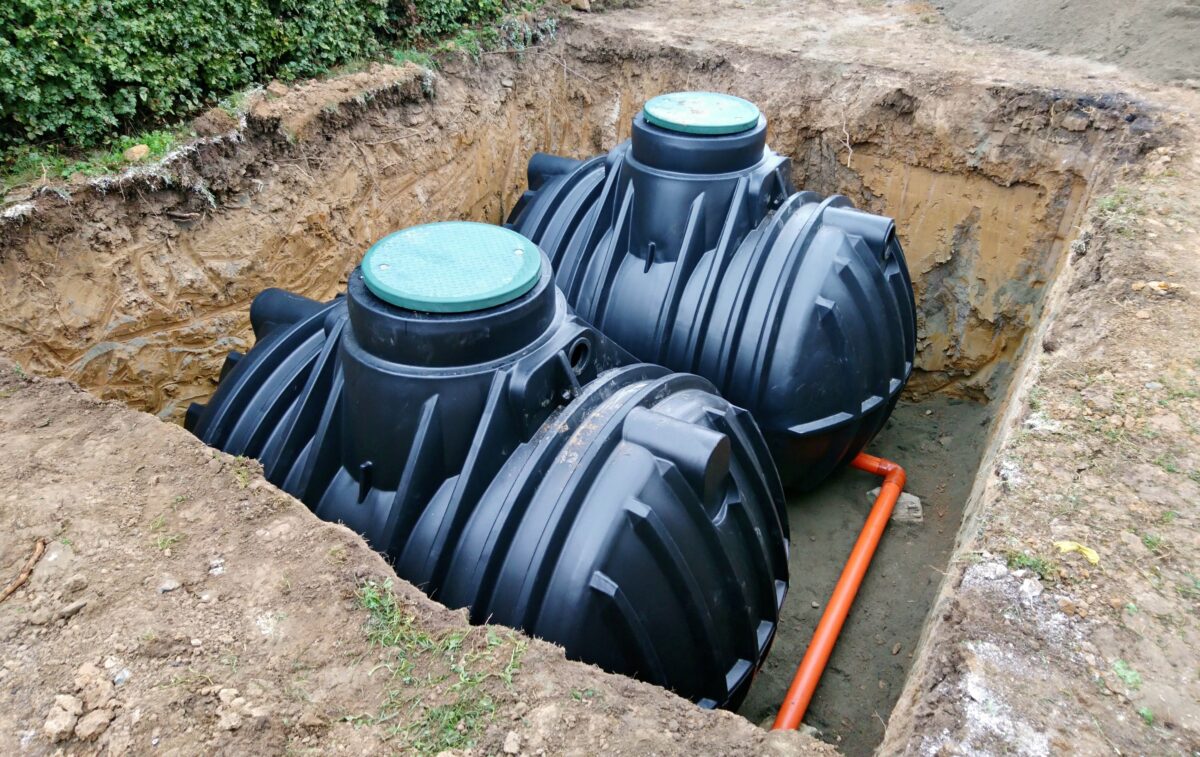
A septic system is a self-contained, on-site wastewater treatment setup. All wastewater from your home flows into a buried septic tank, where solids settle to the bottom as sludge and liquids flow out into a drain field, also called a leach field, where the soil filters and treats the effluent naturally. The entire process happens on your property with no connection to a municipal treatment facility.
A public sewer system works differently. Wastewater leaves your home through your sewer lateral, connects to the municipal sewer line under the street, and travels through the municipal sewer system to a centralized wastewater treatment plant where it is processed and discharged. According to the EPA, more than one in five U.S. households depend on individual septic systems or small community cluster systems for wastewater treatment, meaning the majority of homes, particularly in urban and suburban areas, connect to a public sewer.
7 Key Differences Between Septic and Sewer Systems
These differences go beyond just where the wastewater ends up. They affect what you pay, who is responsible when something breaks, and how much hands-on attention your system needs year to year. Understanding each one helps you make better decisions whether you are buying, selling, renovating, or just trying to make sense of a plumber’s recommendation.
1. Location and Availability
Sewer systems are the standard in cities, towns, and densely developed suburban areas where homes are close together and municipal infrastructure exists. Septic systems are common in rural and semi-rural areas where running a sewer main to every property is not practical or cost-effective. In the Seacoast NH region, both systems are found depending on the town and neighborhood. Some areas of Portsmouth, Dover, and Exeter are served by public sewer, while more rural communities like Rollinsford and surrounding towns rely more heavily on septic systems.
- Public sewer: Available in most urban and developed suburban areas
- Septic system: Standard in rural areas, older developments, and properties with large lots
2. Ownership and Responsibility
This is one of the most important differences for homeowners to understand. With a public sewer connection, the municipality owns and maintains the main sewer line under the street. However, the sewer lateral, which is the pipe running from your home to the main line, is the homeowner’s responsibility. That means if your sewer lateral develops a crack, root intrusion, or a full blockage, the repair cost falls on you.
With a septic system, the homeowner owns and is fully responsible for every component, including the septic tank, the drain field, and all connecting pipes. There is no utility to call when something fails.
- Sewer: Municipality maintains the main line, homeowner maintains the lateral
- Septic: Homeowner is responsible for the entire system
3. Maintenance Requirements
Septic systems require active, ongoing maintenance to function properly. The tank needs to be pumped every three to five years to remove accumulated sludge before it overflows into the drain field and causes a failure. Regular inspections are also recommended to catch issues like cracked tanks, drain field saturation, or pipe problems before they become costly emergencies.
Public sewer connections require very little homeowner maintenance under normal conditions. The municipal system handles treatment, and the homeowner’s main concern is keeping the sewer lateral clear of grease buildup, tree root intrusion, and other blockages. Professional drain cleaning or hydro jetting every one to two years is a reasonable preventive step for most homes.
- Septic: Pumping every 3 to 5 years, regular inspections, drain field monitoring
- Sewer: Periodic sewer lateral cleaning, minimal direct maintenance
4. Cost Structure
The cost comparison between septic and sewer is not straightforward because expenses are distributed differently over time.
| Cost Category | Septic System | Public Sewer |
| Monthly utility bill | None | $30 to $100+ per month |
| Pumping cost | $275 to $500 every 3 to 5 years | None |
| New installation | $3,000 to $10,000 | $5,000 to $25,000 to connect |
| Major repair or replacement | $5,000 to $20,000+ | Sewer lateral repair $3,000 to $15,000 |
| Long-term cost advantage | Lower over 20 to 30 years if maintained | Predictable monthly cost |
Septic systems often have a lower total cost of ownership over the long run, but they carry the risk of a large unexpected expense if the drain field fails or the tank needs full replacement.
5. Environmental Impact
Both systems can cause environmental problems when they fail or are poorly maintained, but the nature of the risk is different.
A failing septic system can leach untreated wastewater into the surrounding soil and groundwater, which is a serious concern near wells, wetlands, or bodies of water. The Seacoast NH region, with its proximity to tidal rivers and the ocean, takes septic system failures seriously from a public health standpoint.
Municipal sewer systems treat wastewater at a centralized facility before discharge, which generally produces more consistent results. However, sewer overflows during heavy rain events can release untreated sewage into waterways, and the municipal sewer system relies on infrastructure that ages and requires ongoing investment to maintain.
- Septic: Risk is on-site and affects local groundwater if the system fails
- Sewer: Risk is regional and tied to treatment plant capacity and overflow events
6. Home Value and Real Estate Considerations
Whether a home is on septic or sewer can affect its market value and how easily it sells, though this varies significantly by region and buyer preference.
In areas where public sewer is the norm, a septic system can sometimes raise questions for buyers about maintenance history, remaining drain field life, and inspection requirements. In rural areas where septic is standard, it rarely affects value at all.
Connecting to public sewer when it becomes available in an area can increase a property’s value, but the connection cost varies widely and is not always worth pursuing if the existing septic system is in good condition.
- Sewer: Generally preferred by buyers in urban and suburban markets
- Septic: Standard and neutral in rural markets, may require disclosure and inspection at sale
7. What Happens When Something Goes Wrong
The failure mode and repair path differ significantly between the two systems, and understanding this helps homeowners know who to call and what to expect.
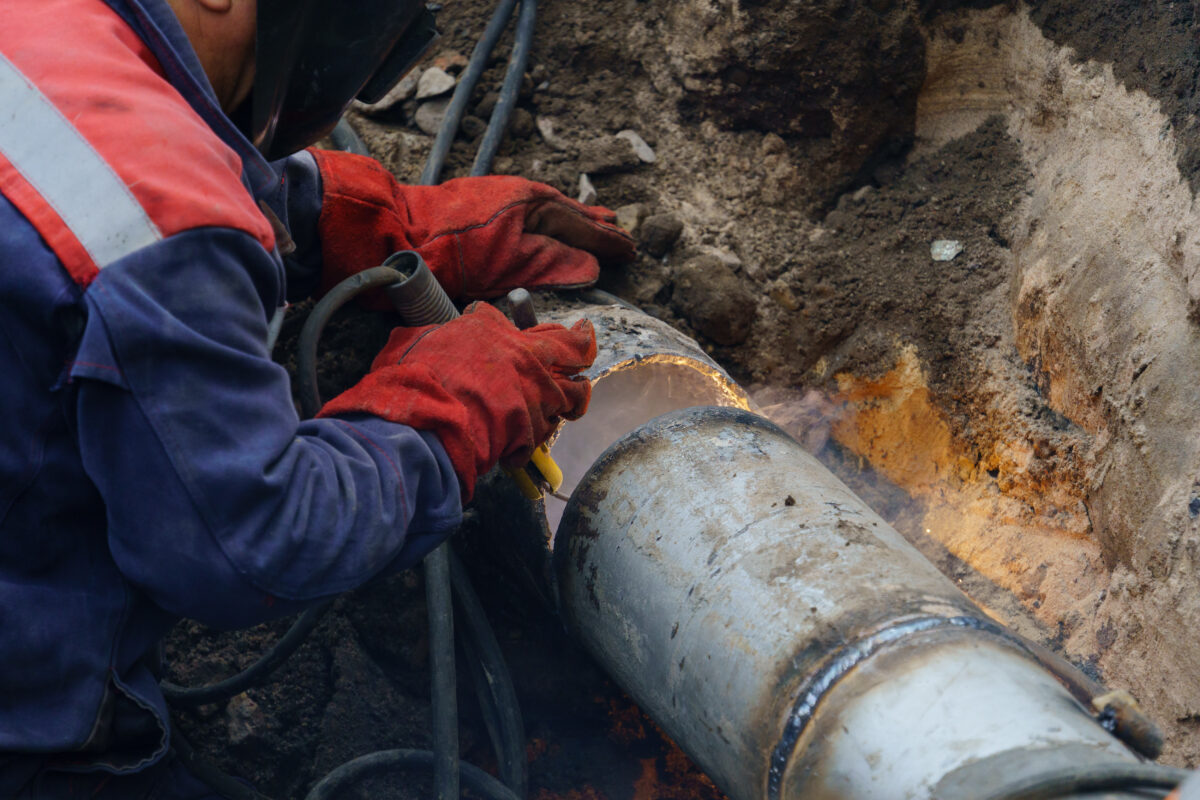
A sewer lateral blockage or collapse is a plumbing repair handled by a licensed plumber. Camera inspection, hydro jetting, pipe lining, or full sewer line replacement are all options depending on the severity. The municipal system itself is not your problem.
A septic system failure is more complex. A backed-up tank may just need pumping, but a saturated drain field or collapsed distribution pipe can require excavation, a full drain field replacement, or in some cases a complete system redesign and installation. These repairs are handled by licensed septic contractors and are subject to state and local permitting.
We’re proud to serve home and business owners in Greenland, NH, and throughout the Seacoast NH and Southern Maine region with professional sewer line services, drain cleaning, and more.
How to Tell Which System Your Home Uses
Not every homeowner knows which system their property has, especially if they recently moved in. Here are a few ways to find out:
- Check your utility bills: If you pay a monthly sewer or wastewater fee on your water bill, you are connected to a public sewer.
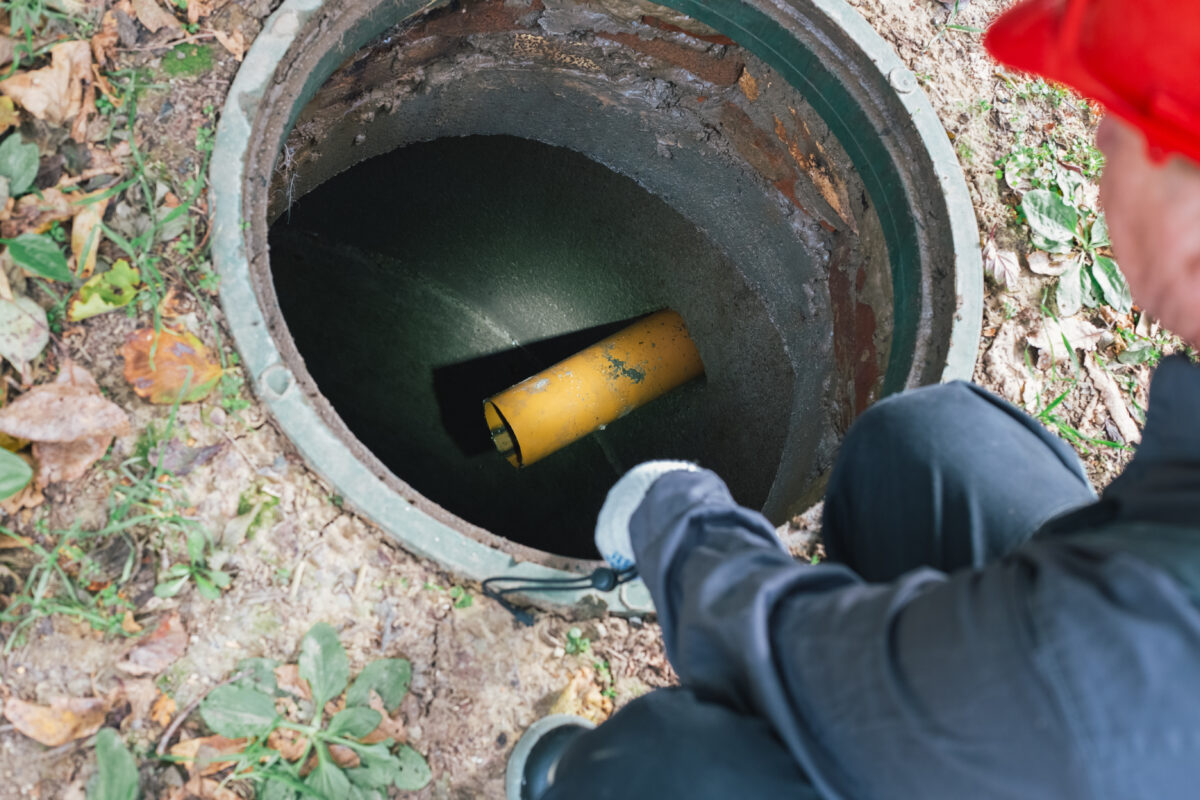
- Look for a septic tank access cover: A buried concrete or plastic lid in your yard, often near the foundation, indicates a septic system.
- Check property records: Your municipality or county health department may have records of septic system permits and inspections.
- Ask your plumber: A quick camera inspection of your main drain line will show where the pipe leads and confirm which system you are on.
Common FAQs About Septic Vs Sewer
The septic vs sewer question comes up constantly for homeowners dealing with a purchase, a repair, or a system that is not performing the way it should. Here are the most common questions we hear, along with direct answers.
Can I switch from septic to sewer?
In many cases yes, if a public sewer line runs near enough to your property to make a connection feasible. The process involves applying for a connection permit, paying a connection fee to the municipality, and hiring a licensed plumber to install the sewer lateral from your home to the main line. Connection costs vary widely based on distance and local rates, typically running between $5,000 and $25,000. In some municipalities, connection is required once public sewer becomes available within a certain distance of the property.
Which system is better for the environment?
Neither is definitively better in all situations. A properly maintained septic system treats wastewater effectively on-site with minimal energy use. A well-managed municipal sewer system provides more consistent treatment at scale. The bigger environmental factor is maintenance: a neglected septic system that leaches untreated effluent into the groundwater causes real harm, and a sewer system with aging infrastructure that overflows during rain events causes harm at a larger scale.
Does a septic system affect what I can flush or put down the drain?
Yes, significantly. Septic systems rely on a balance of natural bacteria inside the tank to break down waste. Flushing wipes, medications, harsh chemical cleaners, or excessive grease disrupts that balance and can accelerate sludge buildup, leading to premature pumping needs or drain field problems. Homes on public sewer are still advised to avoid flushing non-flushable items, but the consequences of doing so are generally less severe for the individual homeowner.
How do I know if my septic system is failing?
Warning signs include slow drains throughout the house, sewage odors inside or outside the home, wet or unusually green patches of grass over the drain field, and sewage backing up into fixtures. Any of these signs warrants an immediate inspection by a licensed professional. A failing drain field is one of the more expensive repairs a homeowner can face, and catching it early significantly reduces the damage and cost.
Do sewer systems require any homeowner maintenance?
Less than septic, but not zero. The sewer lateral running from your home to the main line is your responsibility, and it is subject to tree root intrusion, grease buildup, and general deterioration over time. Scheduling a professional sewer camera inspection every few years and having the line hydro jetted periodically is the best way to avoid a full lateral failure. When the lateral does fail, repair or replacement is the homeowner’s cost, not the municipality’s.
Kenco Plumbing and Drains: Sewer and Drain Experts in Seacoast NH
Whether your home runs on a septic system or connects to a public sewer, the pipes inside your walls and under your yard still need attention. At Kenco Plumbing and Drains, we handle sewer lateral inspections, drain cleaning, hydro jetting, and full sewer line replacement for homeowners throughout Portsmouth, Dover, Greenland, and the entire Seacoast NH and Southern Maine region. We are a family-owned team that gives you honest answers and clear pricing before any work begins.
If your drains are slow, you are dealing with a backup, or you just want to know the condition of your sewer line, schedule your service today and let us take a look. We offer same-day and next-day availability and financing options for larger jobs.