Sewer Backup in Basement: What to Do and Who to Call
A sewer backup in basement floor drains, tubs, and toilets is one of the most stressful plumbing problems a homeowner can face, and the first few minutes matter. The water is contaminated, it spreads fast, and the wrong move can make the damage and the health risk worse. This guide walks you through exactly what to do, who to call and in what order, and how to keep it from happening again. If you are also wondering what actually causes a main line to back up, we cover that too.
Here is what we will cover:
- The first steps to take the moment you spot sewage
- Who to call, and in what order
- What causes a backup in the lowest part of your home
- How to clean up safely and what to throw away
- How to keep it from happening again
6 Things to Do Right Away When Sewage Backs Up
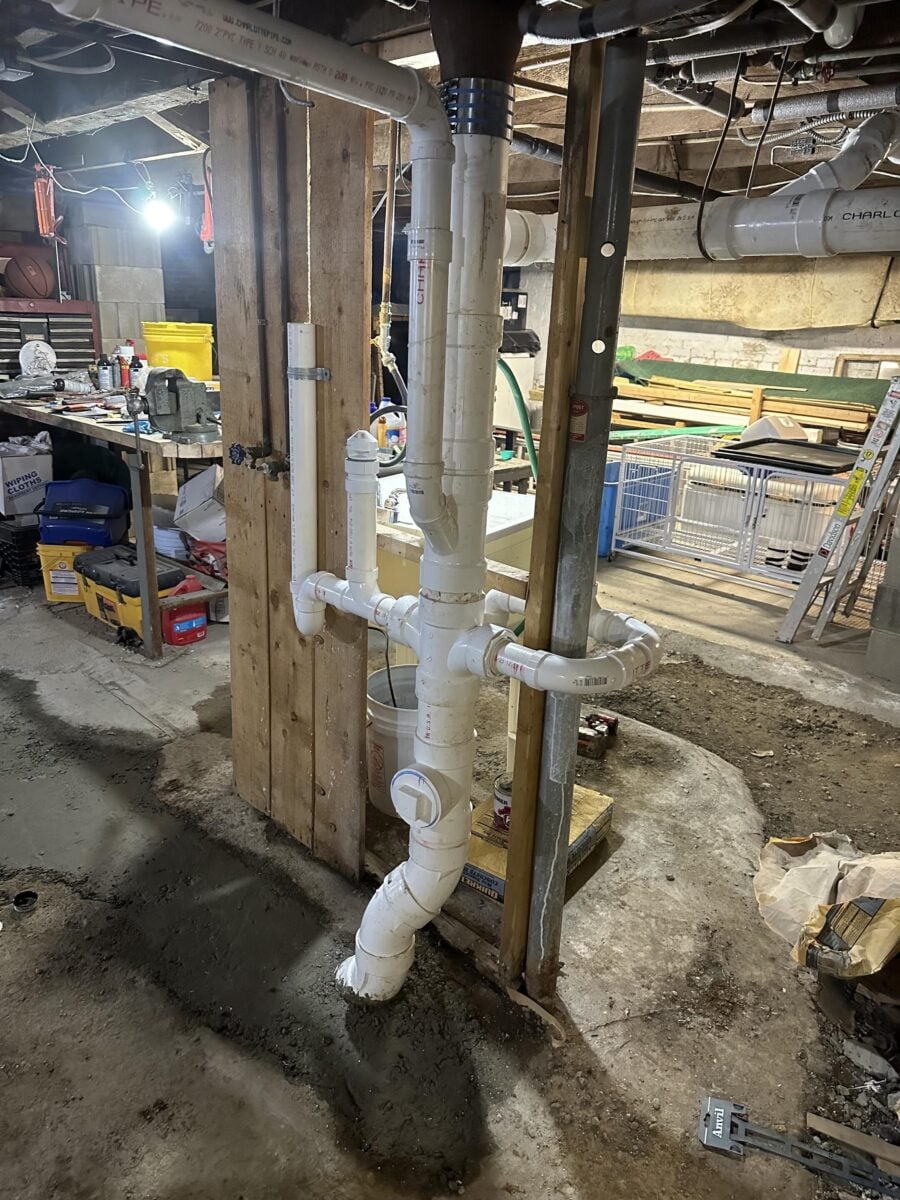
Speed matters, but so does doing things in the right order. Work through these six steps while you wait for help to arrive.
1. Stop Using Water Immediately
Every drop of water you send down the drain has to go somewhere, and with a blocked or failing sewer line, that somewhere is your basement. Stopping water use limits how much sewage comes up while you get help.
- Fixtures: Do not flush toilets, run sinks, or take showers until a plumber clears the line.
- Appliances: Hold off on the dishwasher and washing machine, since both discharge a large volume of water at once.
- Household: Make sure every family member and guest knows to stay off the plumbing.
2. Keep People and Pets Out
Sewage carries bacteria, viruses, and parasites, so contact with it is a health risk and not just a nuisance. The risk is higher for some members of your household than others.
- Children and pets: Keep them out of the basement and away from any contaminated water or surfaces.
- Higher risk individuals: Older adults, pregnant people, and anyone with a weakened immune system should stay out of the affected area entirely.
- Skin contact: Avoid touching the water, and keep cuts and scrapes covered if contact cannot be avoided.
3. Handle Electrical and Heating Equipment Safely
Water and electricity are a dangerous mix, and many basements hold the electrical panel, furnace, boiler, or water heater. Safety comes before everything else here, including saving belongings.
- Standing water: Never walk into a flooded basement while the power is on. If the panel is in the water or you cannot reach it dry, stay out and call your utility company or a licensed electrician.
- Dry panel: If you can reach the panel without stepping in water, shutting off power to the basement is a smart precaution.
- Heating equipment: If your boiler, furnace, or oil burner is in the basement, shut it down only if it is safe to do so, and have it checked before restarting.
4. Ventilate Without Entering
Sewage can release unpleasant and sometimes harmful gases in a closed space. Fresh air helps, but only if you can provide it without putting yourself at risk.
- Open up: Open windows or doors from a dry, safe spot to get fresh air moving.
- Close the basement door: This helps keep odors and contamination from spreading to the rest of the house.
- Leave if you feel unwell: If anyone feels dizzy, lightheaded, or nauseated, get out of the house and call emergency services.
5. Document Everything Before Cleanup
If you have insurance coverage for sewer backups, your claim depends on clear records. Take photos and video before anything is moved or thrown away.
- Photos and video: Capture the standing sewage, affected walls and floors, and damaged belongings from a safe distance.
- Damaged items: Write down what was affected, including its approximate age and value.
- Timeline: Note when you first noticed the backup and what you did next.
6. Call a Licensed Plumber First
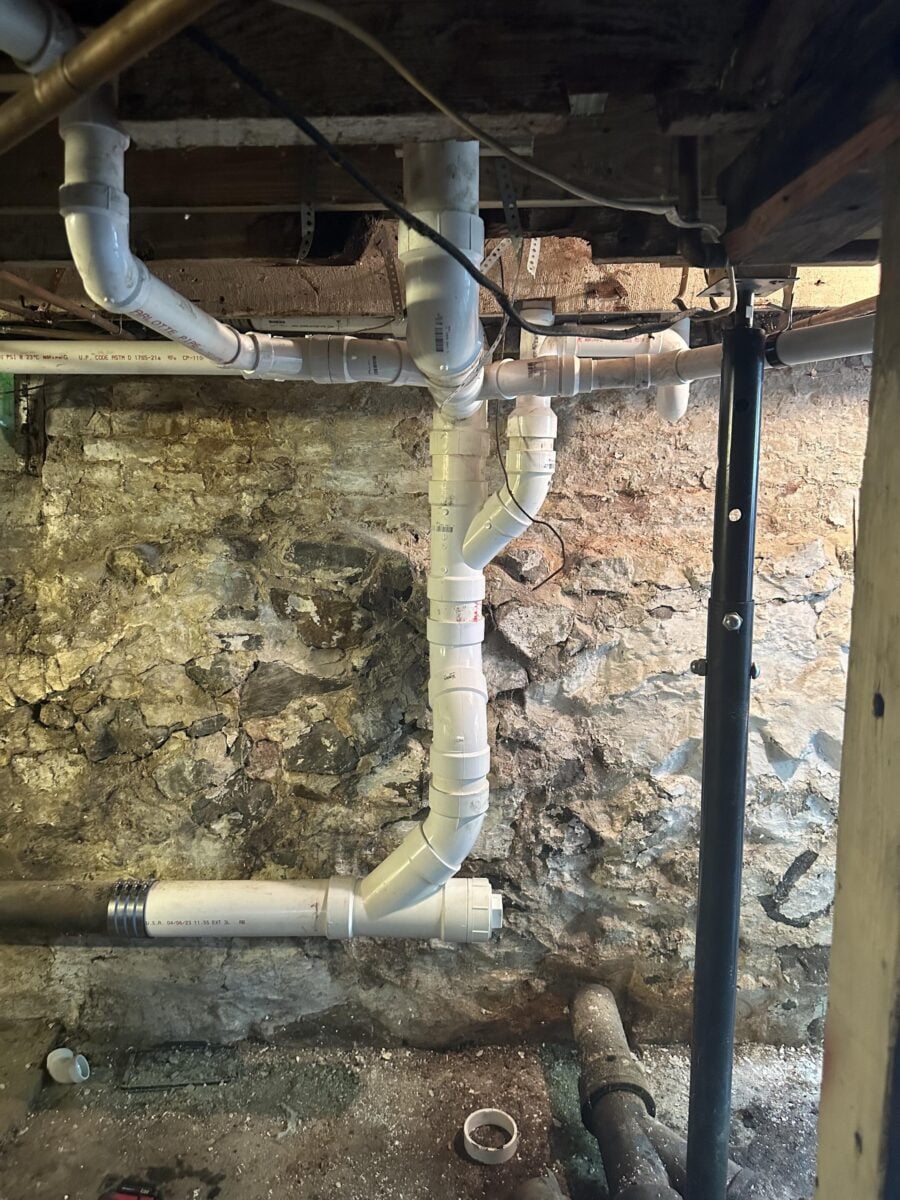
Cleanup cannot begin until the source of the backup is fixed, which is why the plumber comes before the restoration crew. Otherwise, sewage keeps coming up while you clean.
- Source first: A plumber locates the blockage or break, clears the line, and confirms the backup has stopped.
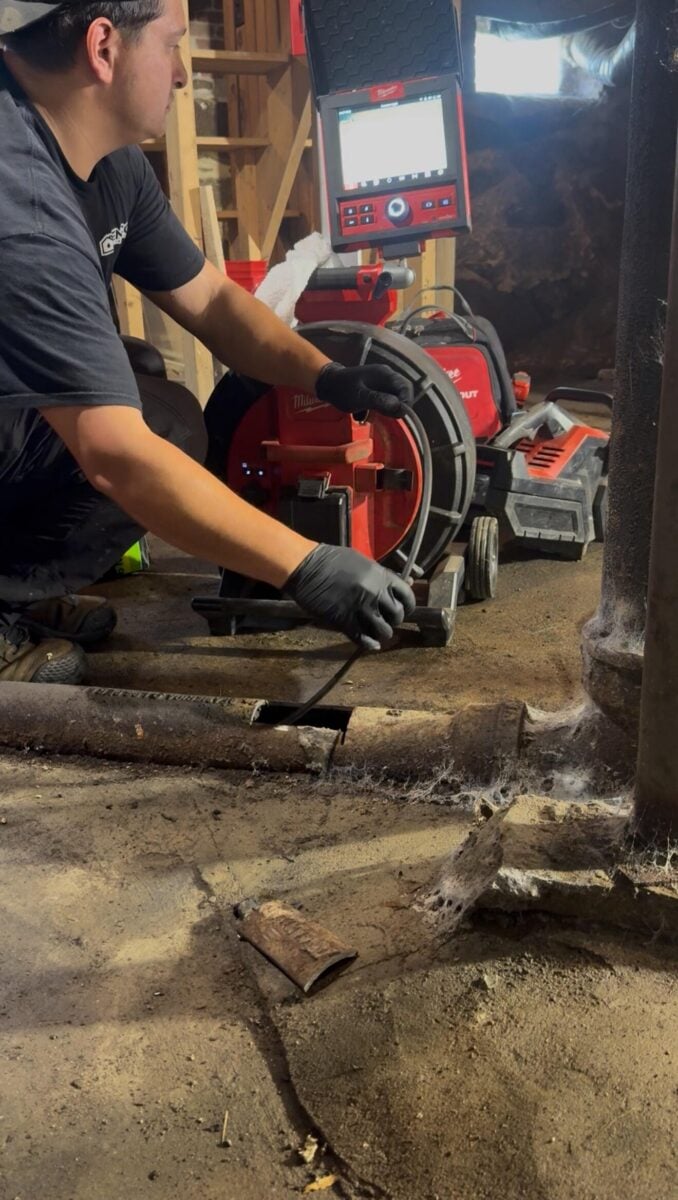
- Camera inspection: Video of the sewer line shows whether the cause was a simple clog or deeper damage like roots or a collapsed section.
- Clear next steps: You will know whether you need a cleaning, a repair, or a replacement before restoration work begins.
Who to Call and in What Order
A basement backup usually involves more than one professional, and calling them in the right sequence saves time and money. Here is a simple guide to who handles what.
| Who to Call | What They Do | When to Call |
| Licensed plumber | Finds and clears the blockage, runs a camera inspection, and recommends repairs | First, to stop the source |
| Water damage restoration company | Extracts sewage, disinfects, dries the space, and removes damaged materials | Right after the plumber confirms the backup has stopped |
| Insurance company | Explains your coverage and opens a claim | Same day, before cleanup begins |
| Electrician | Checks the panel, outlets, and equipment exposed to water | If water reached anything electrical |
| Municipal public works | Checks the public sewer main under the street | If neighbors are affected or the blockage is past your property line |
Your plumber can usually tell you quickly whether the problem is on your side of the property line or in the public main, which determines who is responsible for the fix.
Common Causes of a Basement Sewer Backup
Sewage comes up in the basement because it is the lowest point in the house, and gravity sends wastewater to the lowest open drain. Knowing the cause helps you prevent a repeat.
- Main line clog: Grease, wipes, paper products, and other debris build up until wastewater has nowhere to go but up through the lowest drain.
- Tree root intrusion: Roots grow into cracks and joints in older clay or cast iron lines and catch debris until the line blocks.
- Collapsed or damaged sewer lateral: Age, ground movement, and freeze-thaw cycles can crack, shift, or collapse the pipe, especially in older homes.
- Municipal main problems: Heavy rain and snowmelt can overwhelm the public sewer and push wastewater back toward homes in Newington and across the Seacoast.
- Missing backwater valve: Without one, wastewater from an overloaded main can flow backward into basement floor drains and fixtures.
Cleaning Up After a Sewer Backup
Once the plumber has stopped the source, cleanup can begin, and what is safe to do yourself depends on how far the sewage spread. According to the CDC, drywall and insulation contaminated with sewage should be removed and discarded, which is why a backup that reaches the walls often becomes a restoration project instead of a mop-up job.
- Small and contained: A shallow backup on a hard floor may be manageable with proper protective gear, thorough disinfecting, and careful disposal of contaminated materials.
- Porous materials: Carpet, padding, cardboard, and upholstered items soaked by sewage generally cannot be cleaned safely and should be thrown out.
- Large or deep backups: When sewage covers a wide area or has reached the walls, a restoration company should handle extraction and disinfection.
- Dry the space: Drying the area within a day or two helps limit mold growth after cleanup is finished.
How to Prevent Another Sewer Backup
A backup is almost always a warning that something in the line needs attention. Fixing the cause now is far less expensive than a second cleanup.
- Camera inspection: A video inspection of the sewer line shows root intrusion, sagging sections, and cracks before they cause another backup.
- Hydro jetting: High pressure water scours grease and buildup from the pipe walls, which keeps the line flowing longer than snaking alone.
- Sewer line repair or replacement: If the pipe is cracked, collapsed, or full of roots, cleaning only buys time and a permanent fix is the better investment.
- Backwater valve: This device blocks wastewater from flowing back into your home when the main is overloaded.
- Smart drain habits: Keep grease, wipes, and paper products out of your drains.
We’re proud to serve home and business owners in Newington, NH, and nearby communities with emergency sewer repair and more.
Common FAQs About Sewer Backup in Basement
A sewer backup raises urgent questions, and the answers can affect your health, your home, and your wallet. Here are the ones homeowners ask us most often.
Is a sewer backup in the basement an emergency?
Yes. Sewage is a health hazard, and it can damage floors, walls, and stored belongings quickly. Stop using water, keep people and pets out, and call a licensed plumber right away to stop the source before cleanup begins.
Does homeowners insurance cover sewer backup?
Standard homeowners policies often exclude sewer and drain backups unless you have added a water or sewer backup endorsement. Call your agent as soon as it is safe to do so, and keep your photos, videos, and receipts organized to support a claim.
Who is responsible for fixing it, me or the city?
The sewer lateral that runs from your home to the street is generally the homeowner’s responsibility, while the main line under the street belongs to the municipality. A camera inspection shows where the problem is, and if the public main is the cause, your town’s public works department should be notified.
Why does my basement still smell after cleanup?
A lingering odor usually means moisture or contamination remains somewhere, such as in carpet, drywall, or under flooring. Removing porous materials, drying the space thoroughly, and having the area professionally cleaned usually solves it, and a dry drain trap can also let sewer odors in until it is refilled.
What will a plumber do about a sewer backup?
A plumber will locate the blockage, clear it with a cable or hydro jetting, and run a camera through the line to find out why it happened. From there, they can recommend a repair, a root treatment, or a replacement if the pipe is damaged.
Kenco Plumbing and Drains: Here When the Basement Backs Up
Few plumbing problems feel as urgent as sewage coming up through a floor drain, and you should not have to figure out the next move alone. At Kenco Plumbing and Drains, we offer emergency repairs, find the real cause with a camera inspection, and give you clear options before any work begins. We are a family-owned team serving Newington, Portsmouth, Dover, and the entire Seacoast NH and Southern Maine region, and we answer our phones around the clock.
If sewage is still rising or you want to make sure it never happens again, get a plumber headed your way today and request a free estimate. We offer same-day and next-day availability and financing options for larger repairs.