Sewer Line Inspection 2026 (What To Expect & Why It Matters)
Sewer line inspection is one of the most important preventative services homeowners can schedule, especially when dealing with slow drains, recurring clogs, or concerns about underground pipe damage. In 2026, inspection technology has become more advanced, making it easier than ever to detect problems early without invasive digging.
Understanding what to expect during a sewer inspection and why it matters can help you avoid costly repairs and protect your home’s plumbing system long-term. A small upfront investment in an inspection can often prevent major disruptions and emergency plumbing situations.
In this guide, you’ll learn:
- What a sewer line inspection involves
- When you should schedule one
- What inspectors look for
- Common problems found during inspections
- Why inspections are worth the investment
What Is a Sewer Line Inspection?
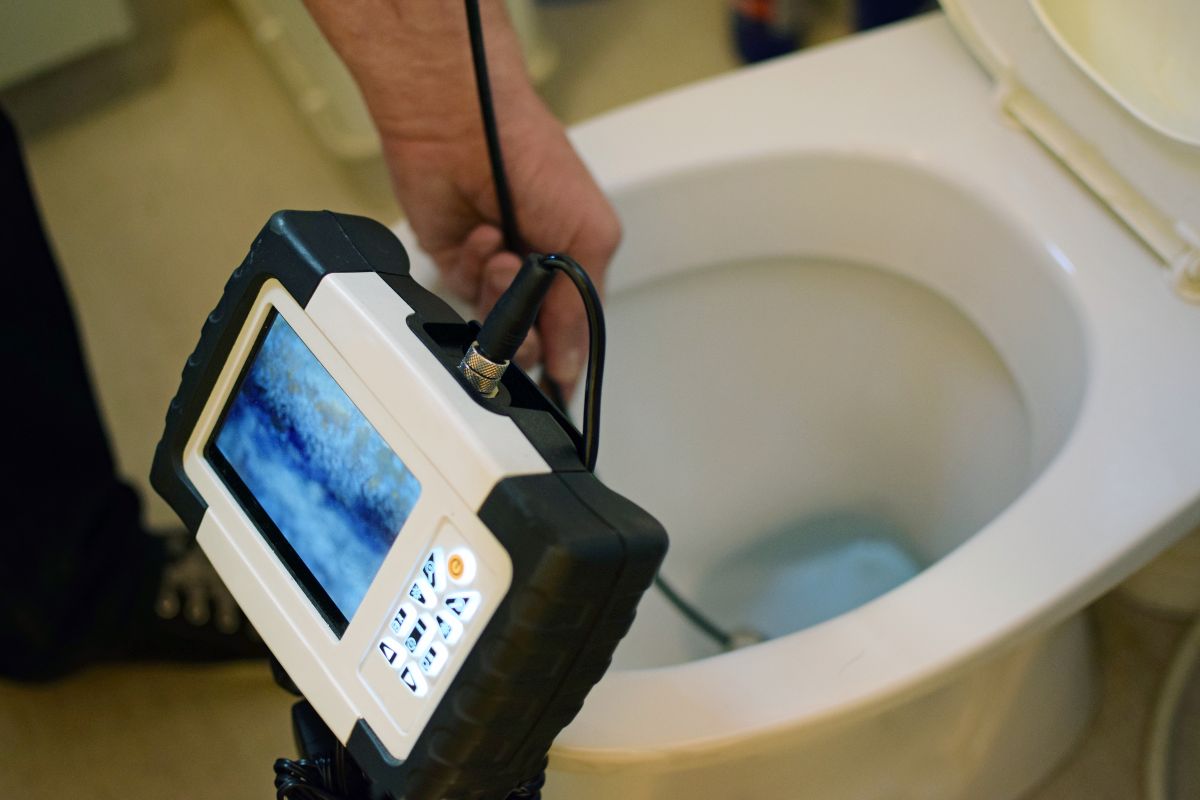
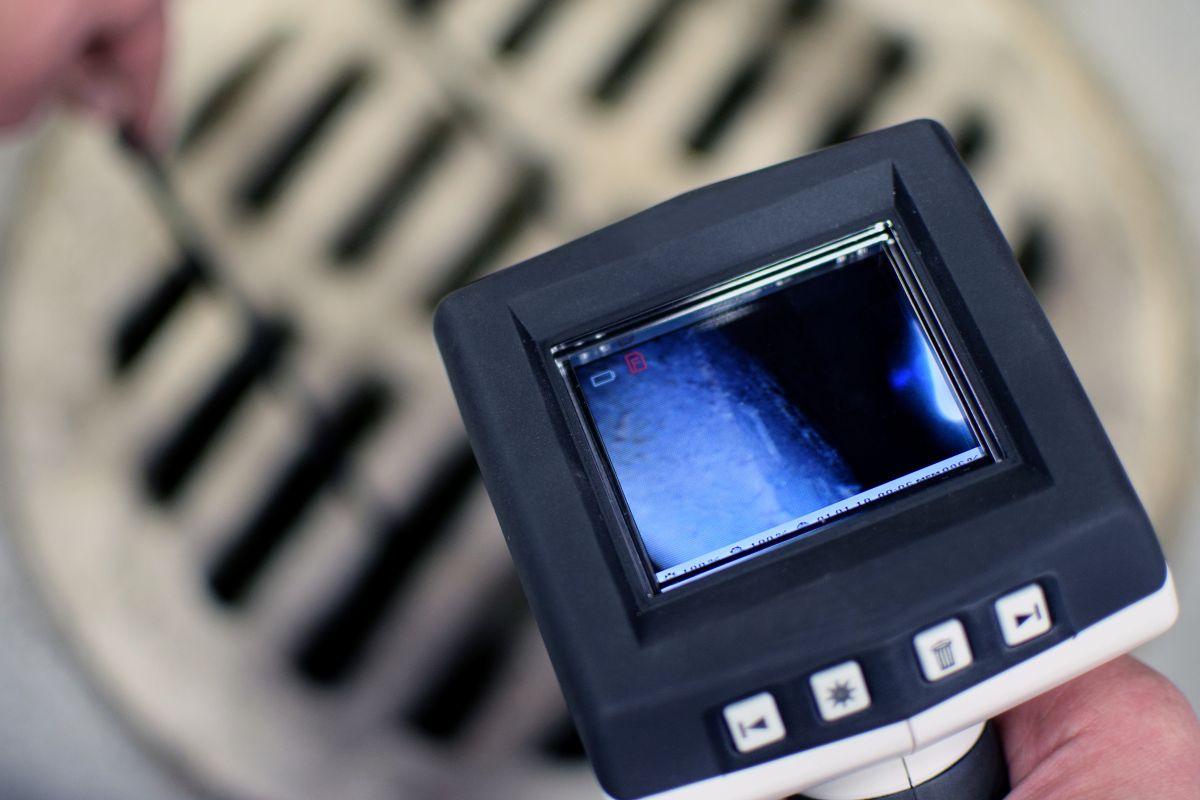
A sewer line inspection is a professional service where plumbers use specialized tools, typically a sewer camera, to examine the inside of your sewer pipe. This process allows them to identify clogs, cracks, leaks, and structural issues without digging up your yard.
Modern sewer line camera inspection methods provide real-time video footage, allowing both the technician and homeowner to clearly see the condition of the pipe. This makes it easier to diagnose issues accurately and recommend the right solution. In many cases, the footage can also be saved for future reference or comparison.
How Sewer Camera Inspections Work
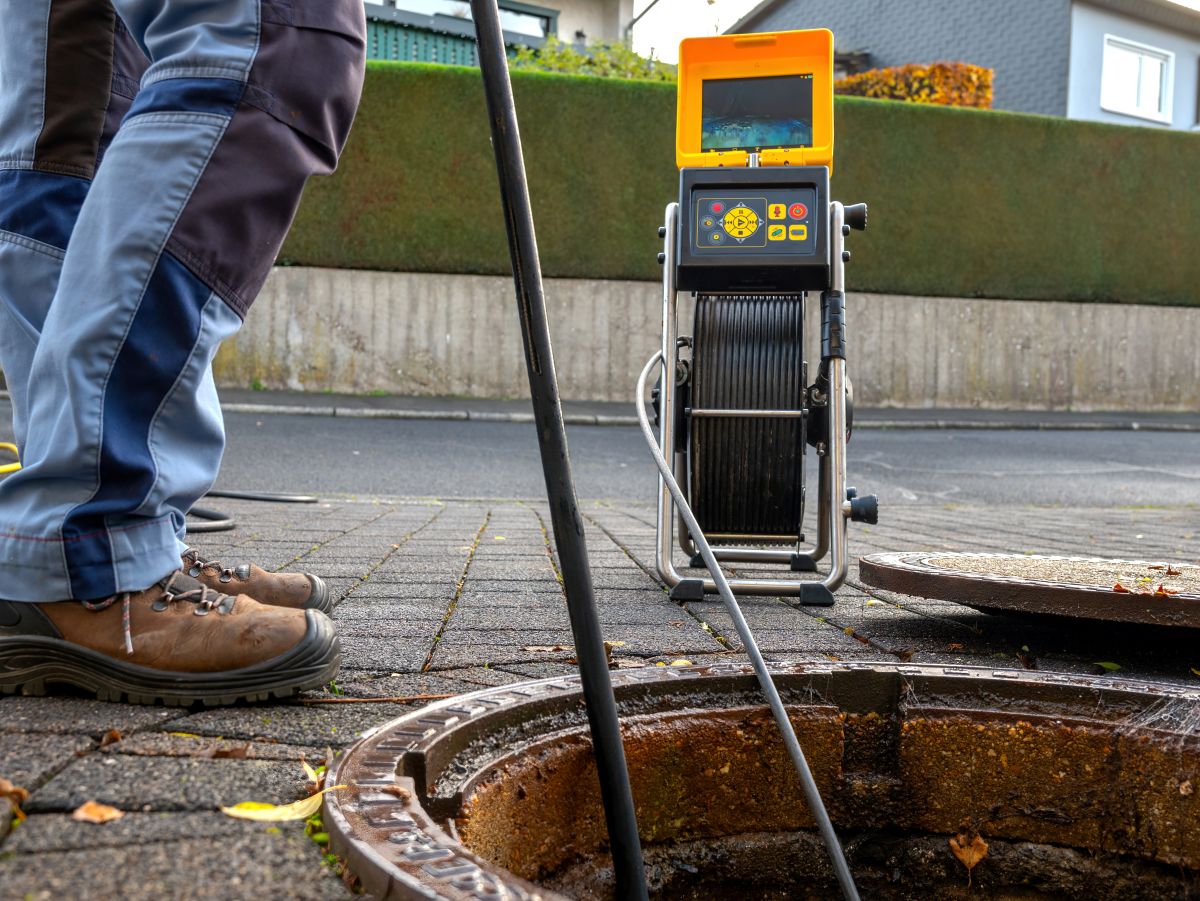
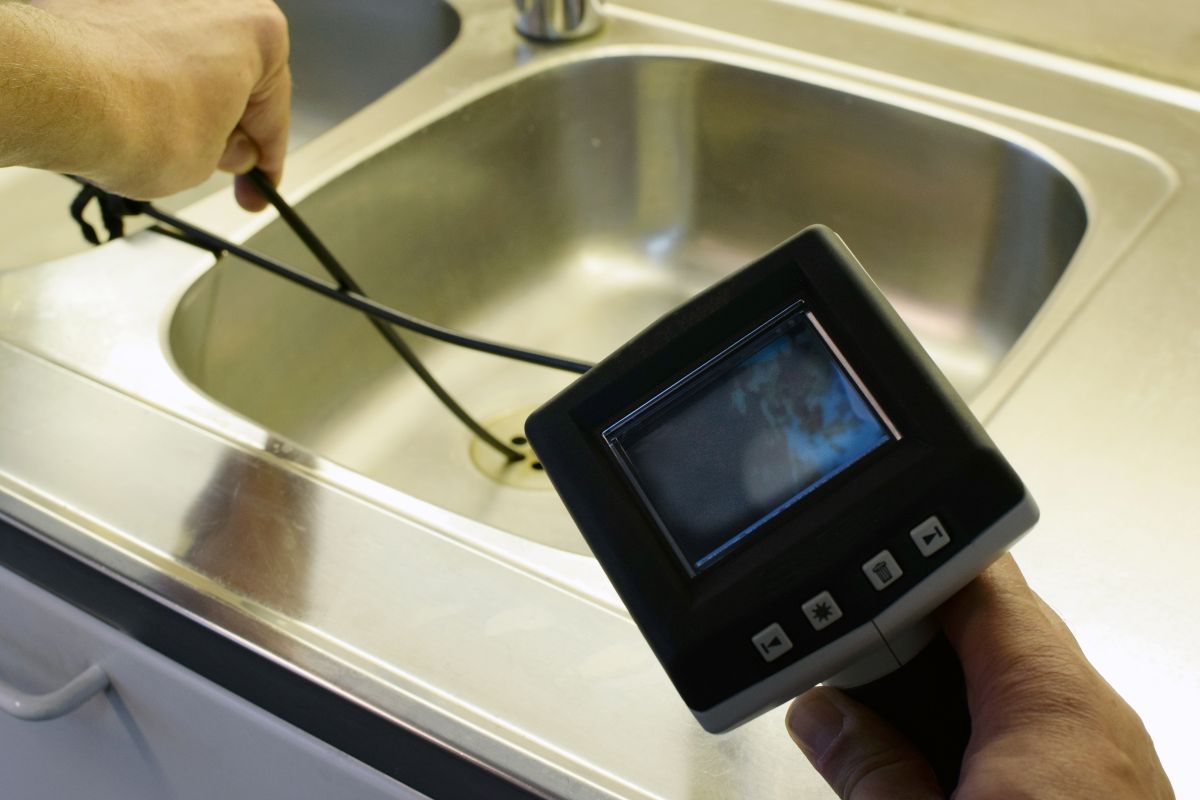
A flexible, waterproof sewer camera is inserted into the main sewer line through an access point, such as a cleanout. The camera travels through the pipe, transmitting live video back to a monitor while tracking its location.
- Real-time diagnostics: Immediate visibility into pipe condition
- Non-invasive process: No digging required
- Accurate location tracking: Pinpoints exact problem areas
When You Should Schedule a Sewer Line Inspection
Sewer inspections aren’t just for emergencies. In many cases, they are used as a preventative measure to avoid unexpected plumbing problems and costly repairs.
- Before buying a home: Helps identify hidden issues not found in standard inspections
- After recurring slow drains: Signals a possible blockage in the main sewer line
- When experiencing backups: Indicates potential clogs or pipe damage
- Before major plumbing work: Ensures your system is in good condition
- As routine maintenance: Prevents long-term buildup and damage
What Happens During a Sewer Line Inspection
Knowing what to expect can help you feel more confident when scheduling a service. Most inspections are quick, efficient, and minimally disruptive, often completed within an hour depending on the size of the system.
1. Accessing the Sewer Line
The plumber will locate an entry point, typically a cleanout, to insert the sewer camera. If no access point is available, one may need to be created, which can slightly increase the time required.
- Cleanout access: Fast and simple entry
- Alternative entry points: May require minor setup
- Preparation: Area cleared for equipment
2. Running the Sewer Camera
The camera is fed through the sewer pipe while the technician monitors the footage in real time. This allows them to inspect the entire length of the pipe and identify any problem areas.
- Full pipe inspection: Covers the entire main sewer line
- Live video feed: Immediate identification of issues
- Detailed assessment: Captures cracks, clogs, and buildup
3. Reviewing the Findings
Once the inspection is complete, the plumber will review the footage with you and explain any issues found, along with recommended next steps. This step ensures you understand the condition of your system and available solutions.
- Clear explanation: Easy-to-understand results
- Repair recommendations: Based on actual conditions
- Next steps: Cleaning, repair, or monitoring
Common Problems Found During Sewer Inspections
Sewer line inspections often uncover issues that are not visible from the surface. Identifying these problems early can prevent more serious damage and expensive repairs.
Tree Roots and Root Intrusion
Tree roots frequently enter sewer pipes through small cracks, eventually expanding and causing major blockages or pipe damage. This is one of the leading causes of sewer line failure in residential properties.
Grease Buildup and Debris
Over time, grease, soap, and debris can accumulate inside pipes, restricting water flow and leading to clogs. This buildup often develops gradually and goes unnoticed until problems arise.
Cracks, Leaks, and Pipe Damage
Aging pipes or shifting soil can cause cracks or breaks in the sewer line, resulting in leaks and potential property damage. These issues can worsen quickly if not addressed.
Bellied or Misaligned Pipes
Sections of pipe can sag or shift over time, creating low spots where waste collects and causes recurring blockages. These structural issues often require professional repair.
Why Sewer Line Inspections Matter
Sewer line inspections are a proactive way to protect your home and avoid unexpected plumbing emergencies. Catching problems early can significantly reduce repair costs and prevent damage to your property.
In fact, water and sewer backups can cause thousands of dollars in property damage if left undetected, making regular inspections a smart investment for homeowners.
By identifying issues early, inspections allow you to address small problems before they turn into major repairs like pipe replacement or excavation. This not only saves money but also minimizes disruption to your home.
When to Call Professional Plumbers
While some plumbing issues can be handled with DIY solutions, sewer line inspections require specialized equipment and expertise to ensure accurate results.
- Persistent slow drains: Indicates deeper issues in the line
- Recurring backups: Suggests a blockage or structural problem
- Unexplained odors: Could point to leaks or damage
- Preventative checks: Ensures long-term system health
Why Homeowners Trust Kenco Plumbing & Drains
When it comes to sewer line inspection, you need a team that provides accurate diagnostics and reliable solutions. Kenco Plumbing & Drains uses advanced equipment and proven techniques to ensure your sewer system is properly evaluated.
We proudly serve Portsmouth, NH, and surrounding areas with professional sewer line inspection services, helping homeowners detect problems early and avoid costly repairs. If you’re experiencing issues with your sewer system or want to schedule a preventative inspection,contact Kenco Plumbing & Drains today to request service or get a quote.