How To Clean Main Sewer Line (5 Safe Methods That Work)
How to clean main sewer line is a question many homeowners ask when dealing with slow drains, backups, or recurring clogs. The main sewer line is responsible for carrying all wastewater out of your home, so when it becomes blocked, it can quickly turn into a major plumbing issue that affects multiple fixtures at once.
The good news is that there are several safe and effective methods to clean your sewer line, whether you’re handling a minor clog or trying to prevent future problems. Taking action early can help you avoid more serious issues down the line.
In this guide, you’ll learn:
- What causes sewer line blockages
- Signs your main sewer line needs cleaning
- Safe methods that actually work
- When to call professional plumbers
- How to prevent future clogs
What Causes a Clogged Main Sewer Line?
Sewer line clogs don’t happen randomly. Most issues build up over time due to what goes down your drains or what enters your pipes from outside. Understanding these causes can help you prevent future problems and maintain a healthy plumbing system.
Tree Roots and Root Intrusion
Tree roots are one of the most common causes of sewer line clogs. They grow toward moisture and can enter small cracks in your sewer pipe, eventually expanding and blocking the entire line. Over time, root intrusion can lead to serious damage that requires professional repair.
Grease, Debris, and Buildup
Grease, soap residue, food waste, and other debris can accumulate inside your pipes over time. This buildup narrows the pipe and restricts water flow, eventually leading to a blockage that worsens with continued use.
Foreign Objects and Flushing Issues
Items like wipes, paper towels, and hygiene products do not break down easily and can clog your main sewer line. Even products labeled as “flushable” can create long-term buildup that contributes to recurring clogs.
Signs Your Main Sewer Line Needs Cleaning
Recognizing early warning signs can help you avoid a full backup or costly sewer repair. These issues often start small but get worse quickly if ignored, making early detection key.
Slow Drains Throughout the Home
When multiple drains are slow at the same time, it’s usually a sign of a blockage in the main sewer line rather than a single fixture. This is one of the most common early indicators homeowners notice.
- Whole-home drainage issues: Multiple fixtures affected at once
- Recurring slow drains: Problem returns after temporary fixes
- Water pooling: Sinks or tubs draining slower than usual
Gurgling Noises from Pipes
Strange sounds from your plumbing system are often caused by trapped air due to a blockage in the sewer line. These noises can become more frequent as the clog worsens.
- Bubbling toilets: Air pushing through water
- Noisy drains: Gurgling when water flows
- Irregular flushing: Toilets behaving unpredictably
Sewage Odors or Backups
A clogged sewer line can cause wastewater to back up into your home or create strong odors. These issues should be addressed immediately to prevent further damage.
- Foul smells: Sewer odors inside or outside
- Water backups: Drains pushing water back up
- Basement issues: Common location for backups
5 Safe Methods to Clean a Main Sewer Line
Cleaning a main sewer line should always be approached carefully to avoid damaging your pipes. These methods are safe, effective, and commonly used by homeowners and professional plumbers depending on the severity of the clog.
1. Boiling Water and Dish Soap
For minor grease clogs, a combination of hot water and dish soap can help break down buildup and restore flow. This method is simple and often used as a first step before trying more advanced solutions.
- Best for: Grease and soap residue
- How it works: Breaks down oils and flushes debris
- Limitation: Not effective for major blockages
2. Drain Snake or Auger
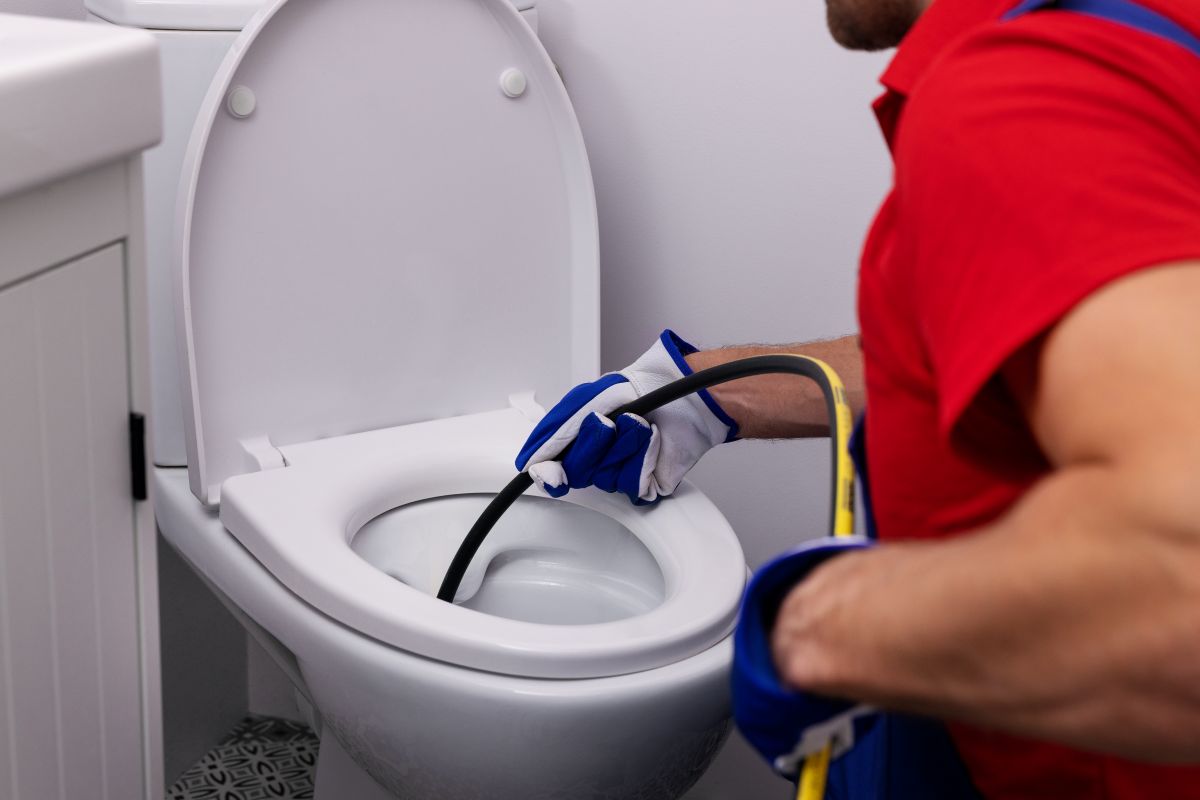
A drain snake or plumbing auger can physically break up clogs inside your sewer line. This tool is commonly used for more stubborn blockages that can’t be cleared with simple flushing.
- Best for: Solid clogs or debris
- How it works: Breaks apart or pulls out blockage
- Limitation: May not reach deep main line issues
3. Hydro Jetting
Hydro jetting uses high-pressure water to completely clear out buildup, grease, and debris from your sewer pipe. This method is often used by professional plumbers for thorough cleaning.
- Best for: Heavy buildup and recurring clogs
- How it works: High-pressure water scours pipe walls
- Benefit: Thorough cleaning, not just clearing a hole
4. Enzyme-Based Cleaners
These cleaners use natural bacteria to break down organic material in your pipes without damaging them. They are a safer alternative to harsh chemical cleaners.
- Best for: Preventative maintenance
- How it works: Gradually breaks down waste
- Safe for: Septic systems and regular use
5. Professional Sewer Line Cleaning
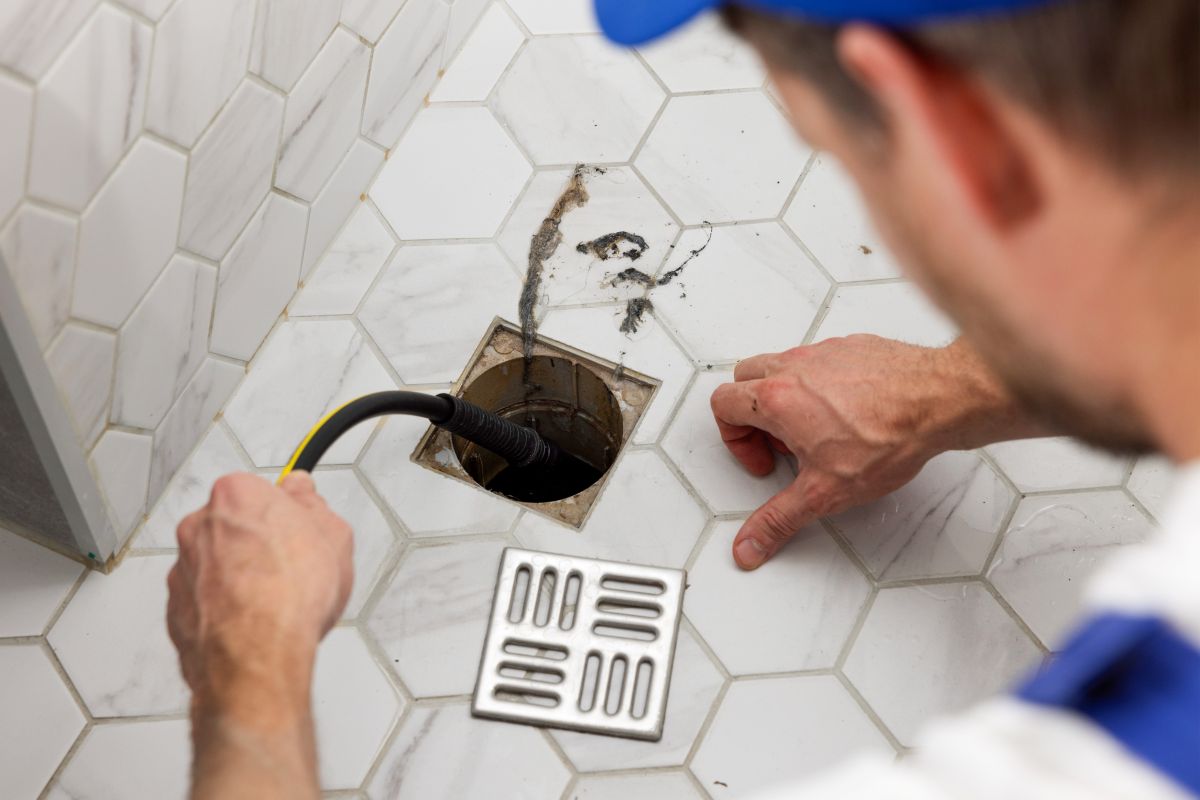
When clogs are severe or recurring, professional plumbers use advanced tools like sewer cameras and hydro jetting equipment to fully clean the line. This ensures the entire pipe is properly cleared.
- Best for: Deep clogs and long-term issues
- Tools used: Sewer camera, auger, hydro jetting
- Advantage: Accurate diagnosis + complete cleaning
When to Call a Professional Plumber
Some sewer line issues go beyond DIY solutions. If you’re experiencing ongoing problems, it’s best to call in experts before the situation worsens or causes property damage.
- Recurring clogs: Indicates a deeper issue in the line
- Multiple backups: Signals a main sewer line blockage
- Strong sewage odors: Possible leak or major clog
- No improvement with DIY methods: Professional tools needed
How to Prevent Future Sewer Line Clogs
Preventing sewer line issues is much easier and cheaper than fixing them. A few simple habits can go a long way in protecting your plumbing system and avoiding costly repairs.
- Avoid grease disposal: Never pour grease down the drain
- Watch what you flush: Stick to toilet paper only
- Schedule routine cleaning: Helps prevent buildup
- Manage tree roots: Keep roots away from sewer lines
- Use drain strainers: Catch debris before it enters pipes
Why Sewer Line Cleaning Matters
Keeping your main sewer line clean helps prevent backups, protects your home, and extends the life of your plumbing system. Ignoring small issues can lead to major repairs, including pipe replacement or structural damage.
Regular cleaning and inspections ensure your system stays in good condition and helps you avoid emergency plumbing situations that can be disruptive and expensive.
Why Homeowners Trust Kenco Plumbing & Drains
When it comes to sewer line cleaning, you need a team that delivers real solutions, not temporary fixes. Kenco Plumbing & Drains provides reliable service, advanced diagnostics, and long-term results homeowners can count on.
We proudly serve Portsmouth, NH, and surrounding areas with professional sewer line cleaning, inspections, and repairs. Whether you’re dealing with a clog or want preventative maintenance, our team is here to help.
If your main sewer line is showing signs of trouble, contact Kenco Plumbing & Drains today to schedule service or request a quote.