6 Benefits of Hydro Jetting (Sewer Services Explained)
When a clogged drain keeps coming back no matter how many times it gets snaked, the problem usually isn’t the snake. It’s that snaking was never built to fully solve it. Hydro jetting is the professional solution that goes beyond poking a hole through a blockage and actually cleans the entire pipe from wall to wall. If you’ve dealt with slow drains, stubborn sewer backups, or recurring clogs in your Dover or Portsmouth area home, a trusted plumbing company like Kenco Plumbing and Drains can walk you through exactly what hydro jetting is, why it works, and whether it’s the right call for your pipes.
Here’s what we’ll cover:
- What hydro jetting is and how it works
- The key benefits of hydro jetting over traditional drain cleaning methods
- How hydro jetting and sewer line cleaning compare side by side
- When homeowners should consider scheduling this service
- Common FAQs about hydro jetting sewer lines
What Is Hydro Jetting?
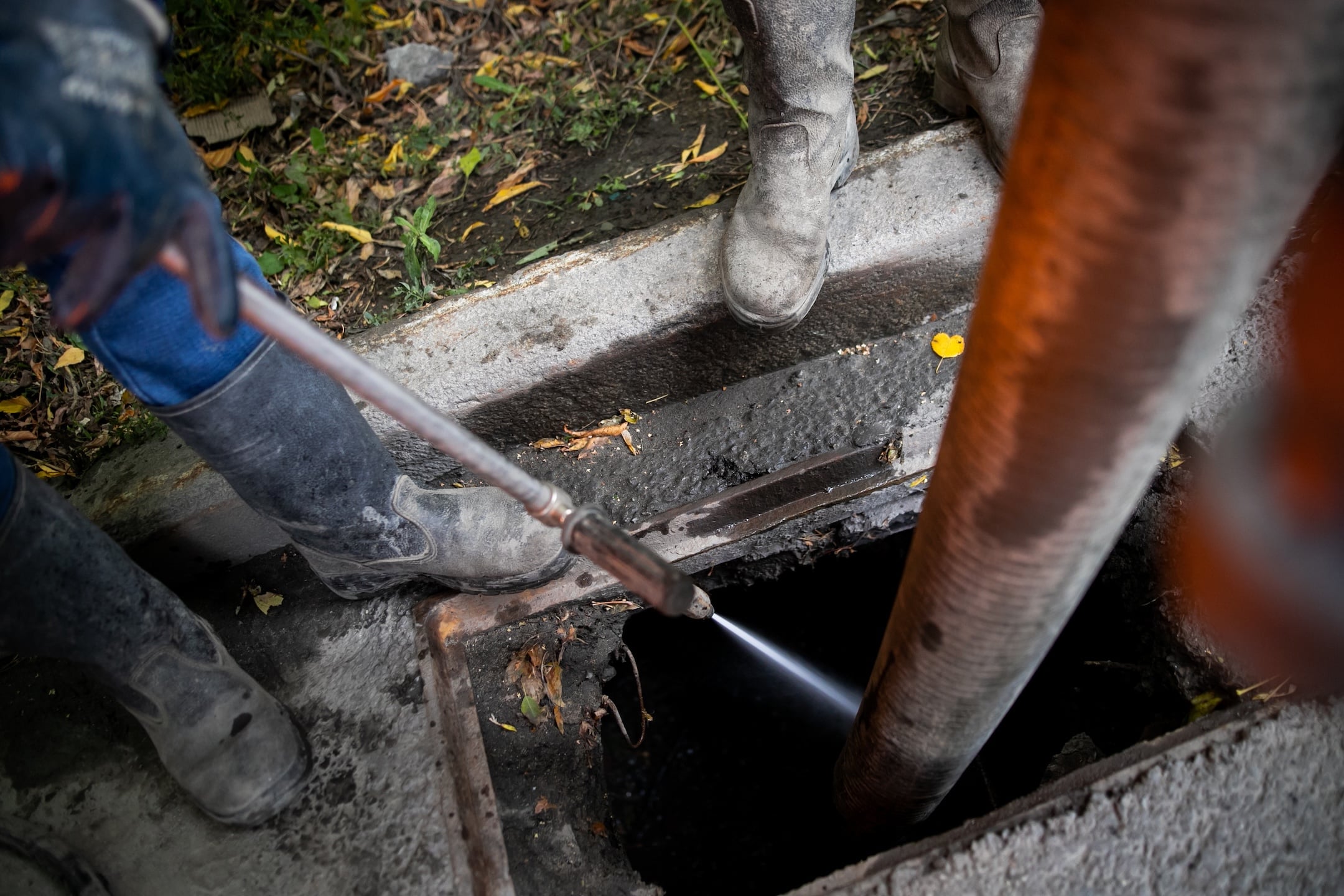
Hydro jetting is a professional drain cleaning method that uses a specialized hose and special equipment including a high-pressure pump and multi-directional nozzle to blast pressurized water through your pipes, scouring the interior walls and flushing all debris out through the sewer drain and into the municipal line. Unlike snaking, which pushes a cable through a blockage to create a small opening, hydro jetting treats the entire pipe as the target. The result is a line that flows the way it was designed to, completely clear, not just temporarily passable.
Before any jetting begins, professional plumbers run a video inspection through the line using a sewer camera. This confirms where blockages are located, what they’re made of, and whether the pipe condition can safely handle the pressure. Once the line is cleared to proceed, the high-pressure jetting service does the rest. According to Spartan Tool, one of the plumbing industry’s leading equipment authorities, jetting nozzles fire water in multiple directions simultaneously, scouring pipe walls completely around the circumference rather than targeting a single point. Most residential jobs run between 1,500 and 4,000 PSI depending on pipe material, diameter, and blockage type.
6 Benefits of Hydro Jetting for Homeowners
Hydro jetting is one of the most effective tools in a plumber’s arsenal, and for good reason. Homeowners dealing with persistent drain problems consistently find that this service delivers results that other methods simply can’t match.
Here’s why it stands apart:
- Complete pipe cleaning: Hydro jetting scours the full interior circumference of the pipe, removing grease, scale, mineral deposits, soap scum, and debris that snaking leaves behind on the walls. It’s the difference between clearing a path and cleaning the pipe.
- Long-lasting results: Because hydro jetting removes buildup from the pipe walls rather than just breaking through a clog, blockages take much longer to reform. Homeowners often go years between cleanings after a proper hydro jetting service.
- Tree root removal: High-pressure water can blast through root intrusions and flush the remnants out of the line, eliminating the root stubs that a snake leaves behind and that tend to cause repeat backups within weeks.
- No harsh chemicals: Hydro jetting relies entirely on water pressure, making it safe for your pipes, your home’s drains, and the environment. It’s a chemical-free alternative to corrosive drain cleaning solutions.
- Works on any blockage type: From grease-heavy kitchen drain lines to main sewer line blockages caused by debris or root intrusion, hydro jetting handles the full range of residential drain and sewer problems.
- Preventive maintenance: Scheduling hydro jetting before a major clog develops helps improve overall drain flow, keeps your plumbing systems running freely, and reduces the likelihood of emergency drain repair calls down the road.
Hydro Jetting vs. Drain Snaking: A Side-by-Side Look
Homeowners often ask whether snaking or hydro jetting is the right call. The honest answer is that both tools have their place, but they solve different problems. Here’s how they compare:
| Feature | Drain Snaking | Hydro Jetting |
| How it works | Cable breaks through clog | High-pressure water scours entire pipe |
| Cleans pipe walls | No | Yes |
| Effective on tree roots | Partially (cuts, leaves stubs) | Yes (blasts and flushes roots) |
| Long-term results | Short to medium term | Long term |
| Safe for older pipes | Generally yes | Requires camera inspection first |
| Best for | Minor clogs, simple blockages | Recurring clogs, grease buildup, sewer line cleaning |
| Chemical use | None | None |
Snaking is a great first response to a straightforward blocked drain. But when clogs keep coming back, when multiple fixtures are draining slowly, or when grease or roots are the culprit, hydro jetting is typically the more effective and more permanent solution.
We’re proud to serve home and business owners in Dover, NH, and nearby Seacoast communities with professional hydro jetting services, sewer and drain cleaning, and more.
When Should You Consider Hydro Jetting?
Not every slow drain calls for hydro jetting, but there are clear situations where it’s the right tool. Understanding when to escalate from basic drain cleaning services to high-pressure jetting saves homeowners both time and money.
Consider scheduling hydro jetting when you notice any of the following:
- Recurring clogs: If the same drain clogs every few weeks or months despite repeated snaking, residue is building up on the pipe walls and creating a surface that catches debris. Hydro jetting removes that surface entirely.
- Multiple slow drains at once: When several drains throughout your home are sluggish simultaneously, the problem is likely in the main sewer line. Hydro jetting is ideal for clearing and cleaning the main line.
- Sewer odors in the home: Persistent sewer odor coming from drains often indicates buildup or a partial blockage trapping decomposing material in the line. A thorough hydro jetting service clears clogs and the odor along with them.
- Grease buildup in kitchen lines: Kitchen drain lines accumulate grease over time in ways that a snake can’t fully address. Hydro jetting emulsifies grease and flushes it completely out of the line.
- Before sewer line repair or relining: Pipes need to be completely clean before trenchless sewer repair or pipe relining work can be performed. Hydro jetting is often a required first step before those services.
- As part of a preventive maintenance plan: Scheduling hydro jetting every one to two years is one of the most effective ways to protect your sewer line and avoid emergency drain repair situations before they happen.
What to Expect During a Professional Hydro Jetting Service
If you’ve never had hydro jetting done before, knowing what the process looks like makes it a lot easier to understand what you’re paying for and why it works.
A proper hydro jetting service follows this sequence:
Step 1: Sewer Camera Inspection
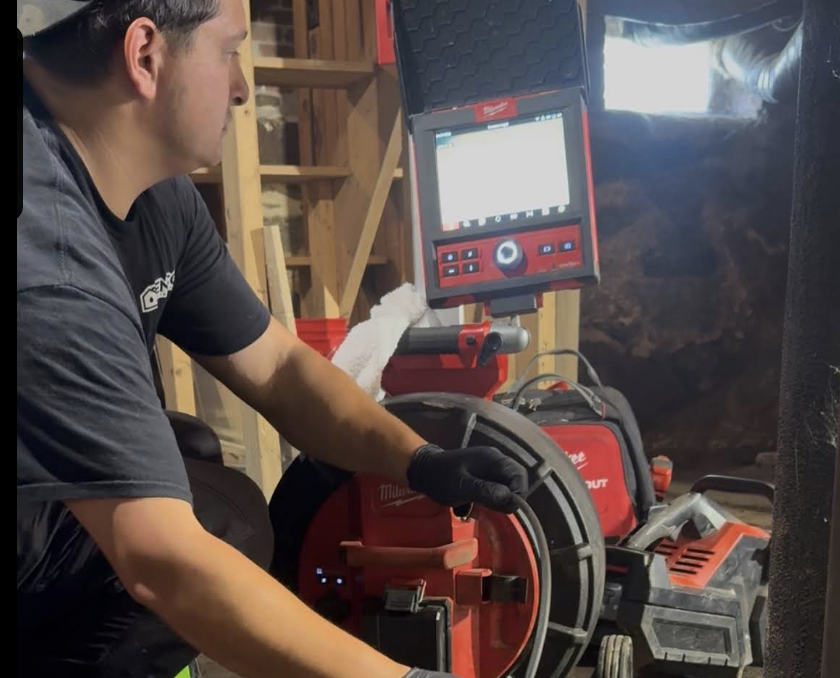
Before any water pressure goes into your pipes, professional plumbers run a camera through the line. This reveals the location and nature of any blockages, the condition of the pipe walls, and whether any sections are cracked or weakened. Skipping this step and jetting blind is how pipes get damaged, so a reputable plumber always starts here.
Step 2: Access and Setup
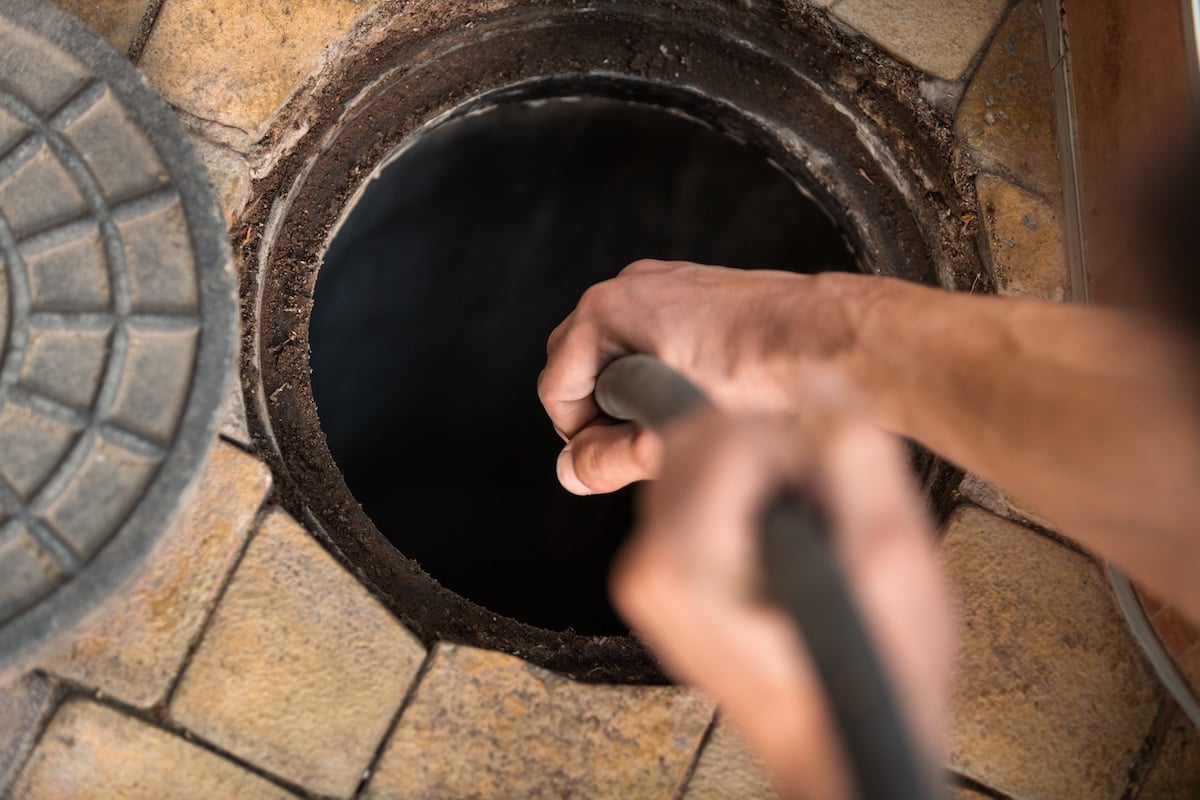
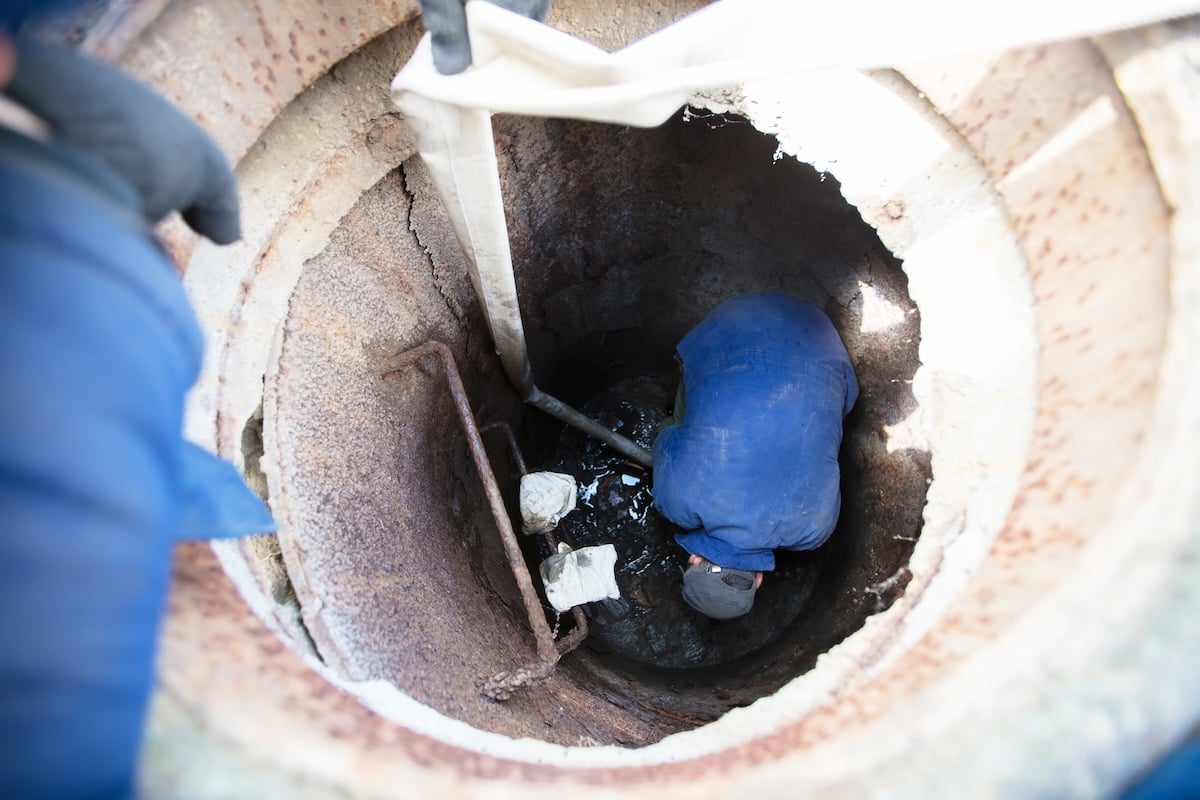
The plumber accesses your sewer drain or drain line through a cleanout, which is a designated access point in your plumbing system. The hydro jetting hose is fed into the line, and the appropriate nozzle and special equipment settings are selected based on the blockage type and pipe diameter.
Step 3: High-Pressure Jetting
The jetter is activated and pressurized water blasts through the line, scouring the walls and breaking down all debris. The nozzle fires water forward to cut through blockages and backward to propel the hose through the pipe and flush everything toward the sewer main.
Step 4: Final Inspection
A follow-up video inspection confirms the line is completely clear, the walls are clean, and no damage occurred during the process. This is what separates a truly thorough hydro jetting service from a rushed one.
Common FAQs About Hydro Jetting Sewer Services
Homeowners in the Seacoast NH region have plenty of questions when they first hear about hydro jetting. Here are the most common ones we answer.
Is hydro jetting safe for older pipes?
It depends on the pipe’s condition and material. Older cast iron, clay, or Orangeburg pipes may not be able to withstand the same pressure as modern PVC or copper lines. That’s precisely why a video inspection comes first. If the pipe condition warrants lower pressure or a different method, professional plumbers will adjust accordingly or recommend an alternative approach rather than jetting a line that can’t handle it.
How often should hydro jetting be done?
For most residential homes, hydro jetting every one to two years is a reasonable preventive maintenance interval. Scheduling it on a regular cycle can noticeably improve drain flow and reduce the risk of backups over time. Homes with mature trees nearby, older cast iron pipes, or a history of grease buildup may benefit from more frequent service. Homes without any recurring issues may go longer. A sewer camera inspection is the most accurate way to determine your specific maintenance schedule.
How does hydro jetting compare to chemical drain cleaners?
Chemical drain cleaners work by dissolving organic matter in the immediate area of a clog. They’re corrosive, which means repeated use can degrade pipe walls over time, and they do nothing to address mineral scale or root intrusion. Hydro jetting uses only water and cleans the full pipe rather than just the clog point. For any problem beyond a minor one-time blockage, hydro jetting is a safer and far more effective solution.
Can hydro jetting clear tree roots from my sewer line?
Yes, in most cases. The high-pressure water stream can break apart root masses and flush the debris out of the line. However, it’s worth understanding that hydro jetting addresses the intrusion already inside the pipe, not the root source outside it. If a tree’s roots have found a crack in your sewer line, they’ll eventually grow back unless the damaged section is repaired or lined. Your plumber can advise on whether sewer line repair is recommended after clearing the roots.
What does hydro jetting cost?
Residential hydro jetting typically runs between $350 and $600 for standard jobs, though pricing varies based on pipe length, accessibility, blockage severity, and regional labor rates. More complex situations involving heavy root intrusion or difficult access points can run higher. The important context is that a hydro jetting service that prevents a $5,000 to $30,000 sewer line repair is one of the better investments a homeowner can make in their property.
Kenco Plumbing and Drains: High-Pressure Results, Honest Service
When your drains keep giving you trouble, the right answer isn’t another quick snake and a hope it holds. Kenco Plumbing and Drains is a family-owned plumbing company serving Dover, Portsmouth, and the Seacoast NH and Southern Maine region, and every job we take on gets the same thorough, honest approach from the video inspection to the final flush. Our professional plumbers use specialized equipment and proven technique to deliver a real, lasting clean that keeps your sewer lines and drain lines performing the way they should.
If you’re tired of the same clog coming back, or you just want to get ahead of a problem before it becomes an emergency, schedule your service today and let us show you what a properly cleaned pipe actually feels like. We offer same-day and next-day availability and financing options for larger jobs.