
How To Unclog A Drain (7 Quick Fixes You Can Try Today)
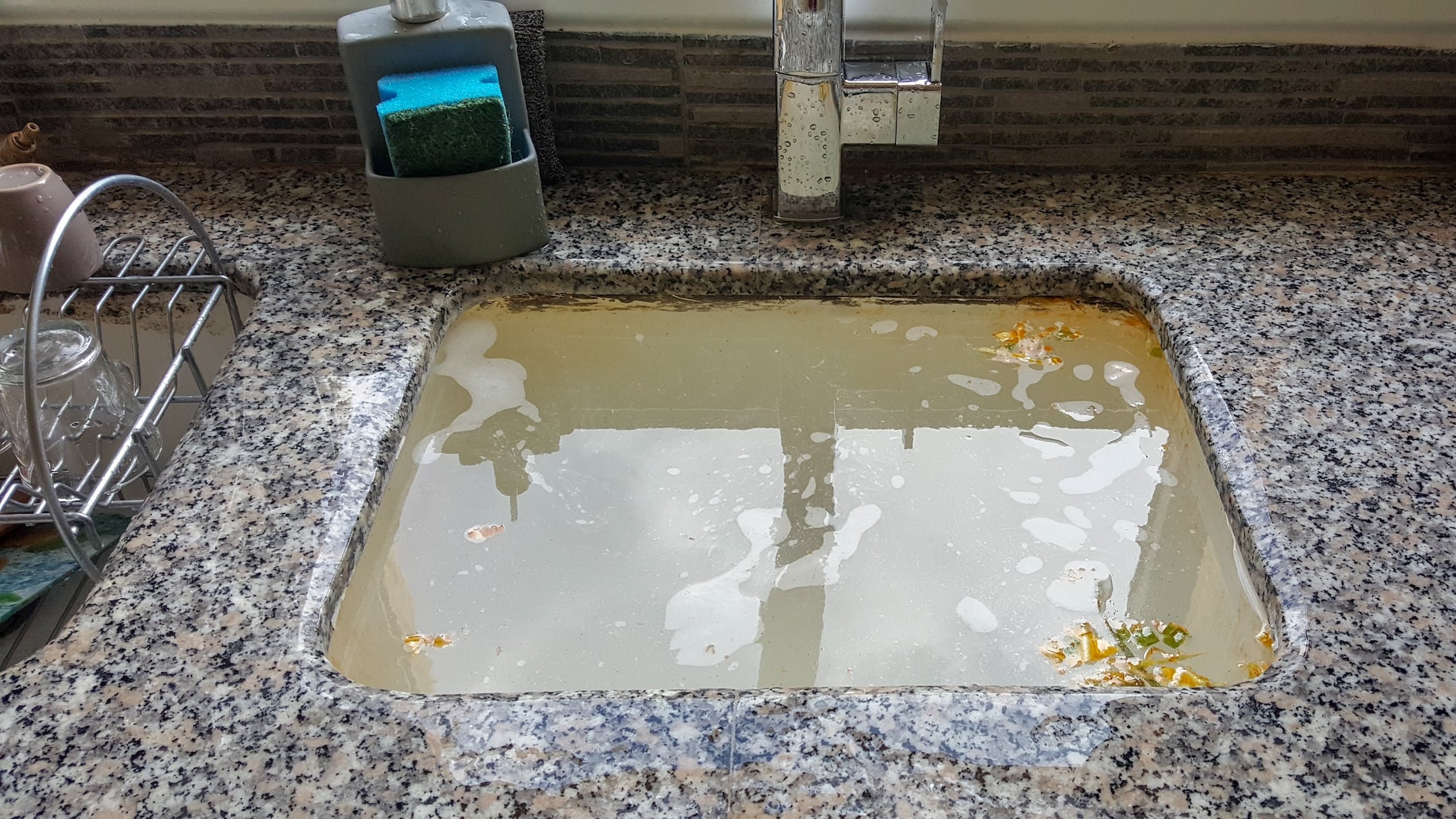
How to unclog a drain is one of the most common plumbing questions homeowners ask. Whether you’re dealing with a slow-draining sink, standing water in a shower, or a backed-up bathroom drain, a clog can quickly become a frustrating problem.
The good news is that many minor drain clogs can be cleared using simple methods and household tools. Knowing which approach to use can help restore proper drainage and potentially prevent a larger plumbing issue from developing.
In this guide, you’ll learn:
- Common causes of drain clogs
- Signs your drain needs attention
- 7 methods to unclog a drain
- When to call professional plumbers
- How to prevent future drain blockages
What Causes a Drain to Clog?
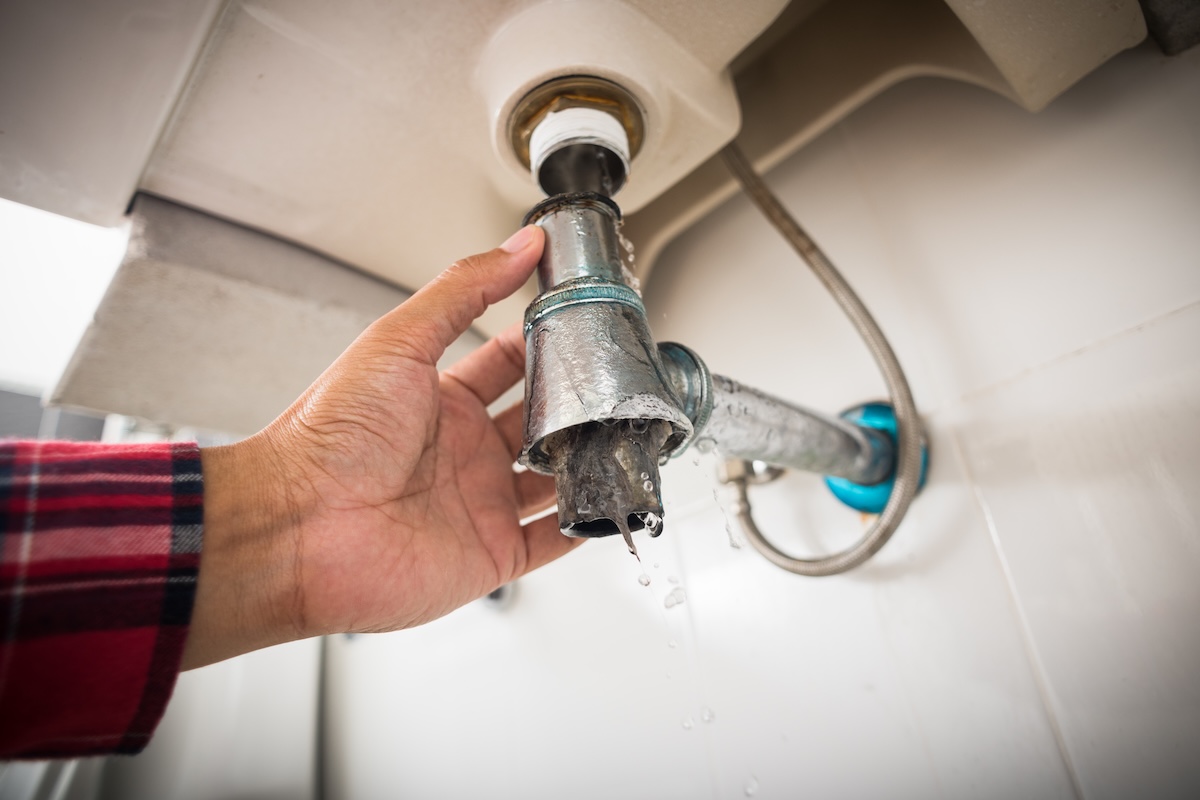
Most drain clogs develop gradually as materials build up inside the pipe. Understanding what causes blockages can help you prevent future problems and keep your plumbing system flowing properly.
Hair and Soap Buildup
Bathroom drains frequently clog due to hair combining with soap residue. Over time, this mixture can collect along pipe walls and restrict water flow. Showers, tubs, and bathroom sinks are especially prone to this type of blockage because hair and soap scum are introduced daily.
Grease and Food Waste
Kitchen drains often become clogged when grease, oils, and food particles enter the plumbing system. As grease cools, it hardens inside the pipe and traps additional debris. Even small amounts of grease can gradually create a significant blockage over time. Never pour cooking oil down the sink, as it can solidify inside your plumbing and contribute to stubborn drain clogs.
Foreign Objects
Items that do not belong in drains, including wipes, paper towels, hygiene products, and small objects, can create stubborn blockages that are difficult to remove. Many homeowners across Dover, NH, are surprised to learn that even products marketed as flushable can contribute to plumbing issues.
Signs You Have a Clogged Drain
Drain clogs rarely happen overnight. Recognizing the warning signs early can help you address the problem before it worsens and leads to more expensive repairs.
- Slow Drainage: One of the earliest signs of a drain clog is water draining slower than normal. You may notice water pooling around a sink drain or standing in a shower longer than it should after use.
- Gurgling Sounds: Unusual noises coming from your drains often indicate trapped air caused by a partial blockage. As water moves through the pipe, it struggles to pass the obstruction, creating bubbling or gurgling sounds.
- Unpleasant Odor: Organic material trapped inside a drain can begin to decompose and produce foul odors. If a drain smells bad even after cleaning the fixture itself, buildup inside the pipe may be the cause.
- Water Backups: When a clog becomes severe, water may begin backing up into sinks, tubs, or other fixtures. This is often a sign that the blockage has grown significantly and should be addressed as soon as possible.
7 Quick Fixes You Can Try Today
Before calling a plumber, there are several safe methods you can try to clear a clogged drain. Start with the simplest option and move to more advanced methods if necessary.
1. Use Boiling Water
Hot water can help dissolve grease, soap residue, and minor buildup inside pipes. Slowly pour boiling water down the drain in stages, allowing it to work through the blockage between pours.
2. Try Dish Soap and Hot Water
Dish soap is designed to break down grease and can be especially effective in kitchen drains. Add a generous amount of dish soap to the drain and follow it with hot water to help flush away buildup.
3. Use a Plunger
A plunger can create pressure that loosens clogs and restores normal water flow. Make sure there is enough water to cover the plunger cup and use steady, controlled plunges.
4. Remove Visible Debris
Many bathroom drain clogs are caused by hair and debris located just beneath the drain cover. Removing the cover and clearing visible buildup can often solve the problem quickly.
5. Use a Drain Snake
A drain snake or auger can reach deeper into the pipe and physically break apart or remove stubborn clogs. This method is particularly effective for hair, soap buildup, and solid debris.
6. Try an Enzyme Drain Cleaner
Enzyme-based cleaners use natural bacteria to break down organic material without damaging pipes. While they work more slowly than some alternatives, they are often safer for your plumbing system. Unlike harsh chemical drain cleaners, enzyme products do not corrode metal piping over time and are generally a better choice for routine maintenance.
7. Schedule Professional Drain Cleaning
If DIY methods fail or the clog continues to return, professional drain cleaning may be necessary. Advanced equipment, like hydro jetting, can remove buildup more thoroughly and help identify underlying plumbing issues.
Why Drain Clogs Shouldn’t Be Ignored
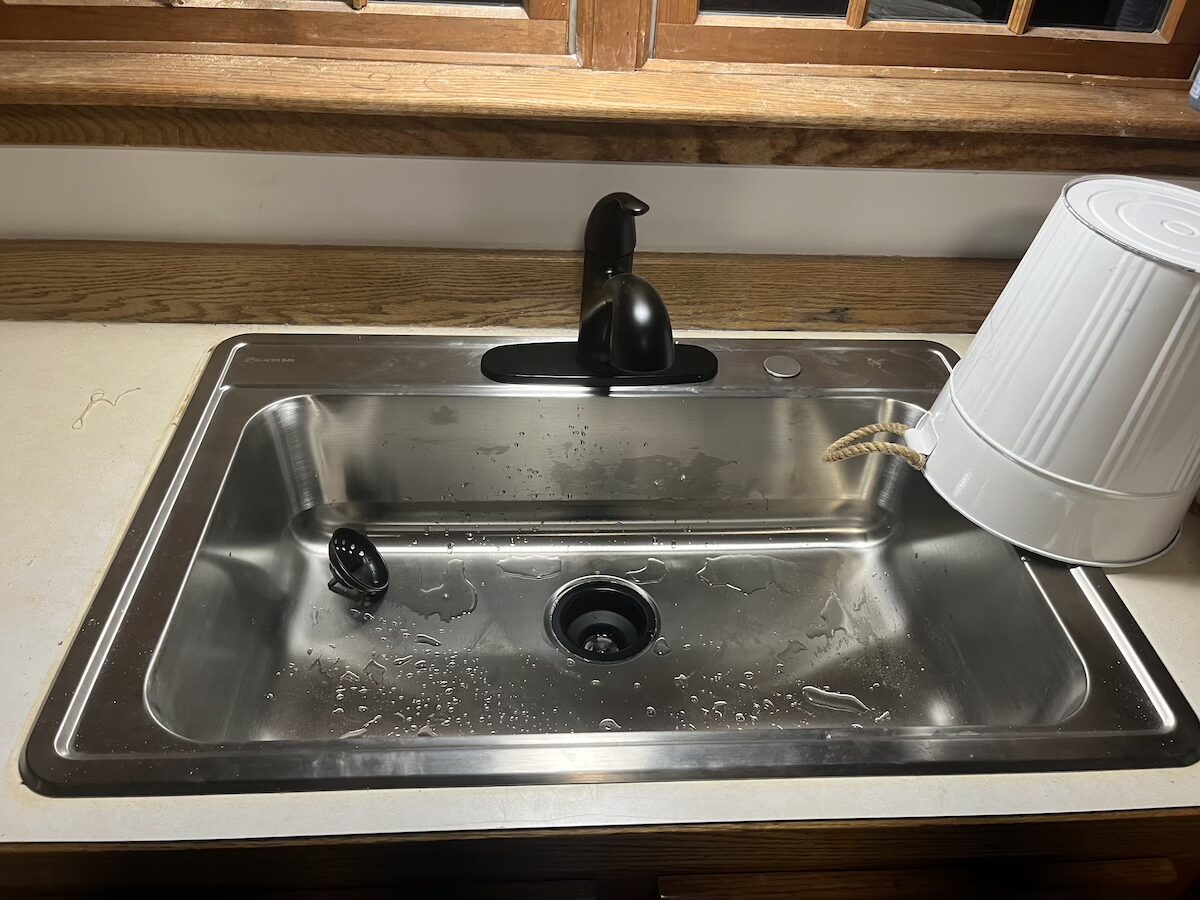
A clogged drain may seem like a minor inconvenience, but ignoring the issue can lead to larger plumbing problems. As blockages worsen, they can increase pressure inside pipes, contribute to leaks, and create unsanitary conditions within the home.
Stagnant water caused by drain clogs can also contribute to environmental issues when contaminants are introduced into local waterways, potentially impacting aquatic life and water quality. Addressing drainage problems early helps protect both your plumbing system and the surrounding environment.
When to Call a Professional Plumber
Some clogs indicate a larger problem that requires professional attention. Ignoring these warning signs can lead to pipe damage, water damage, or more extensive plumbing repairs. According to the Insurance Information Institute, a sewer backup can lead to disease, destruction of valuables, damage to the home, and even electrical malfunctions — making recurring drain backups one of the warning signs that should never be ignored or treated with temporary fixes alone.
- Multiple clogged drains: May indicate a sewer line issue
- Recurring backups: The blockage continues to return
- Strong sewer odors: Could signal a deeper plumbing problem
- No improvement: DIY methods have not resolved the issue
How to Prevent Future Drain Clogs
Preventative maintenance can help keep your plumbing system running smoothly and reduce the likelihood of future drain blockages.
- Avoid grease disposal: Never pour grease or cooking oil down the drain
- Use drain screens: Catch hair and debris before they enter pipes
- Flush with hot water: Helps reduce buildup inside drains
- Watch what you flush: Only flush toilet paper
- Schedule routine maintenance: Helps identify problems early
Why Homeowners Trust Kenco Plumbing & Drains
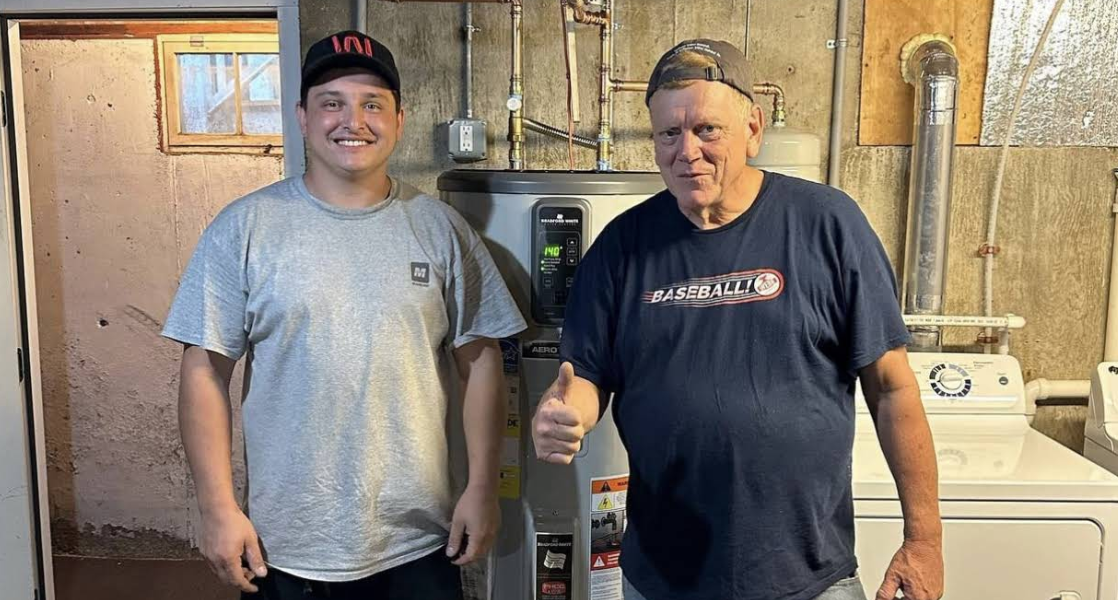
When drain clogs become more than a simple DIY fix, Kenco Plumbing & Drains provides dependable solutions backed by experience and advanced equipment. Our team can identify the cause of recurring drain problems and recommend the most effective cleaning or repair solution.
We proudly serve Portsmouth, NH, and surrounding communities with professional drain cleaning and plumbing services. Whether you’re dealing with a slow drain, recurring clog, or complete blockage, we’re here to help.
If your drain remains clogged despite your best efforts, contact Kenco Plumbing & Drains today to schedule service or request a quote.